Power Plate Training: Feel Stronger, Move Better
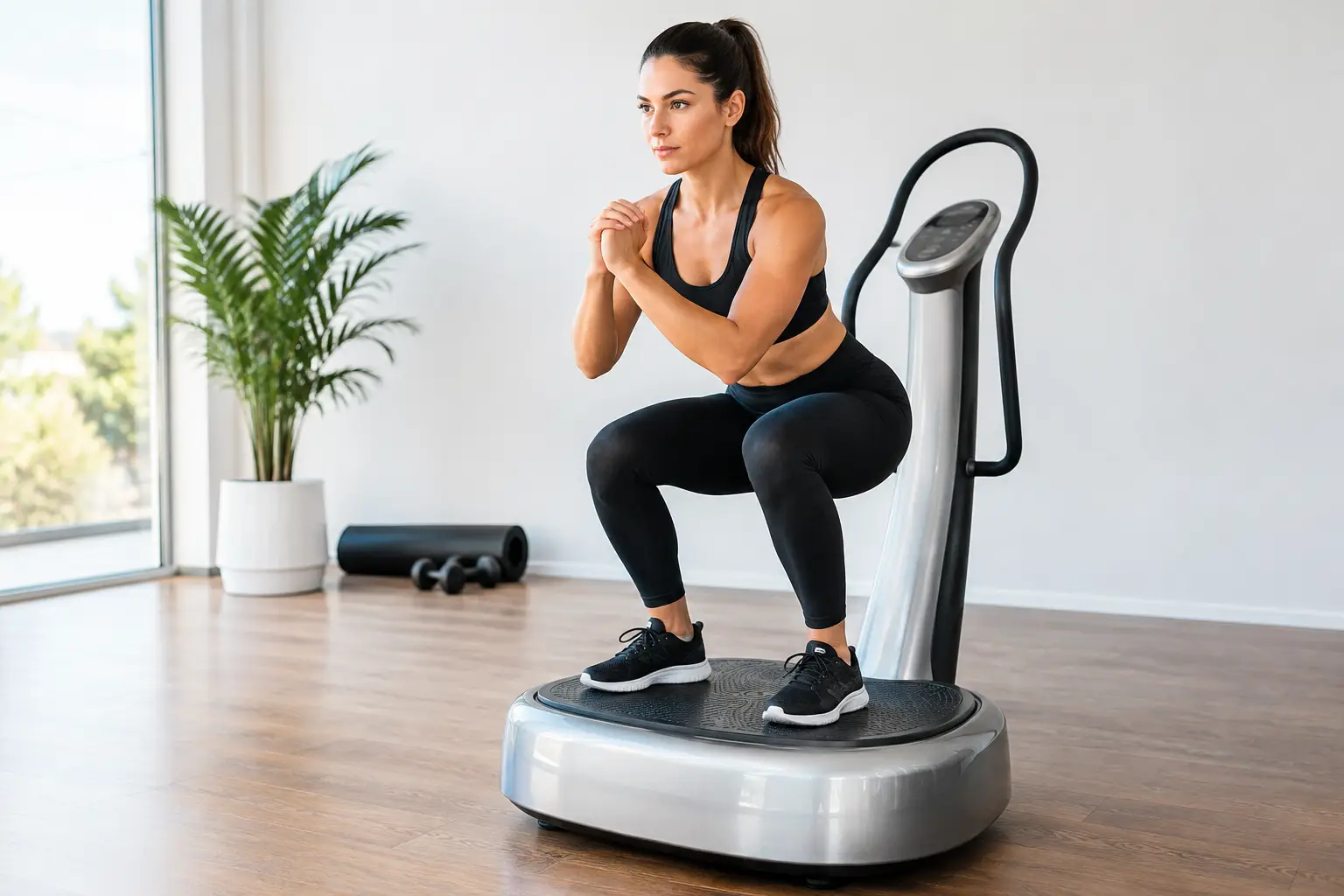
Your workout does not need to be longer to feel more challenging. Power Plate training uses whole-body vibration to make familiar movements – squats, planks, lunges, push-ups, and balance work – demand more from your muscles. Step onto the vibrating platform, bring focused effort, and get ready to feel every rep in a new way.
This is not a passive shortcut or a machine you stand on while waiting for results. It is a smart training tool that can add intensity, variety, and body awareness to the work you are already willing to do. For busy Bakersfield adults who want strength work that feels fresh, Power Plate can be a powerful addition to a weekly fitness routine.
What Is Power Plate Training?
A Power Plate is a vibration platform that sends controlled vibrations through the surface beneath your feet, hands, or body. As the platform moves, your muscles make rapid, small adjustments to help stabilize you. That is why a basic squat, calf raise, or plank can feel surprisingly active on the plate.
The goal is not to chase the biggest vibration setting possible. Great Power Plate training is about pairing the platform with intentional movements, solid posture, and coaching that helps you stay in control. You may stand on the plate for lower-body work, place your hands on it for modified planks and push-ups, or use it during recovery-focused mobility exercises.
The experience is different from lifting heavy weights, taking a heated yoga flow, or crushing a cardio class. It sits in the sweet spot between strength, stability, and movement quality. Some days, that can be exactly what your body needs.
Why the vibration changes the work
Your body is always gathering information about where it is in space. On a stable floor, that information is fairly straightforward. On a vibrating platform, your stabilizing muscles have more to respond to. You still control the exercise, but the surface gives your muscles another challenge to manage.
That can make simple movements feel more demanding without requiring complicated choreography. A controlled bodyweight squat may ask for more attention through your feet, ankles, knees, hips, and core. A plank can become an honest test of shoulder stability and abdominal control. The best part? Beginners can start with basic positions, while experienced athletes can progress with tempo, resistance, range of motion, and more advanced variations.
Power Plate Benefits That Fit Real Life
People come to vibration training for different reasons. Some want to build strength without repeating the same gym routine. Some want to feel steadier during yoga, running, or everyday movement. Others want an efficient workout option that fits between work, family, and the rest of life.
Power Plate may support strength training by increasing the challenge of bodyweight exercises. It can also be useful for balance and coordination because it asks you to stay organized while the surface moves beneath you. If you spend most of your day sitting, the focused engagement through your legs and core can be a welcome reminder that your body was made to move.
Flexibility and mobility work can also feel great with the platform when it is used thoughtfully. Gentle stretching positions, calf work, and lower-body mobility drills may help you slow down, breathe, and give stiff areas some attention. That does not mean vibration replaces a warm-up, good coaching, recovery, or progressive training. It means you have another tool in your training toolbox.
Results depend on consistency, your current fitness level, sleep, nutrition, stress, and what you do outside one class. No machine can do the work for you. But a workout you enjoy, schedule, and actually return to can make a real difference over time.
What a Power Plate Workout Feels Like
Expect short, focused intervals rather than one long, mindless block of exercise. You might move through a combination of squats, lunges, glute bridges, planks, calf raises, and balance drills, with recovery moments built in. The vibration is noticeable, but it should not feel painful or out of control.
The first time on a Power Plate, many people are surprised by how quickly their legs and core wake up. That is normal. Start with a soft bend in your knees when standing, keep your core gently engaged, and let your instructor guide your setup. Locked knees, rushed reps, and trying to prove something on day one are not the Warrior way.
Wear comfortable workout clothes and supportive athletic shoes unless your instructor gives different direction for a specific movement. Bring water, arrive with enough time to get settled, and tell the coach if you are new. A few setup cues can change the entire experience.
It can complement your favorite classes
Power Plate training works especially well when it supports, rather than competes with, the rest of your routine. Pair it with yoga if you want to build more awareness around balance and core control. Add it alongside strength, sculpt, barre, or HIIT classes when you want variety without doing the same workout on repeat.
If your week is packed, one or two sessions may be plenty. If you are newer to movement, start conservatively and pay attention to how your body feels the next day. If you already train hard, use the platform as a targeted strength and stability session instead of adding random extra volume just because you can.
At Warrior 1 Yoga, the goal is not to fit everyone into one definition of fitness. It is to give you options that keep you moving, sweating, laughing, and showing up for yourself. Power Plate is one more way to train with purpose while keeping your routine fun.
Who Should Take It Slow?
Power Plate training is adaptable, but it is not automatically right for every person at every moment. If you are pregnant, have a pacemaker or other implanted medical device, have a history of blood clots, recently had surgery, or are managing a significant medical condition or injury, check with your health care professional before using vibration equipment.
The same goes for new or unexplained pain, dizziness, numbness, or joint symptoms that do not feel right. A good workout can be challenging. It should not require you to ignore your body. Let your instructor know about limitations so they can help offer modifications or suggest a better starting point.
Even without a medical concern, form comes first. Use a range of motion you can control. Keep your breathing steady. Choose the setting and exercise variation that lets you feel challenged without getting sloppy. Progress is built through repeatable effort, not one dramatic workout.
Make Your First Session Count
Come in with curiosity, not pressure. You do not need elite balance, a perfect plank, or a background in strength training to get started. Your first session is about learning how the platform feels and finding the level that challenges you in a productive way.
Focus on three things: stay tall through your posture, move with control, and listen to the coaching. If an exercise feels too intense, ask for a modification. If it feels easy, do not assume you need to rush ahead. Sometimes slowing a movement down, improving alignment, or adding a stronger exhale is the real upgrade.
Give yourself a few sessions before deciding how Power Plate fits your routine. The platform may challenge muscles you do not usually notice, and that awareness is part of the value. Show up ready to work, keep your ego out of the way, and let every controlled rep build a stronger, steadier version of you.