How to Choose Yoga Sculpt Weights That Feel Right
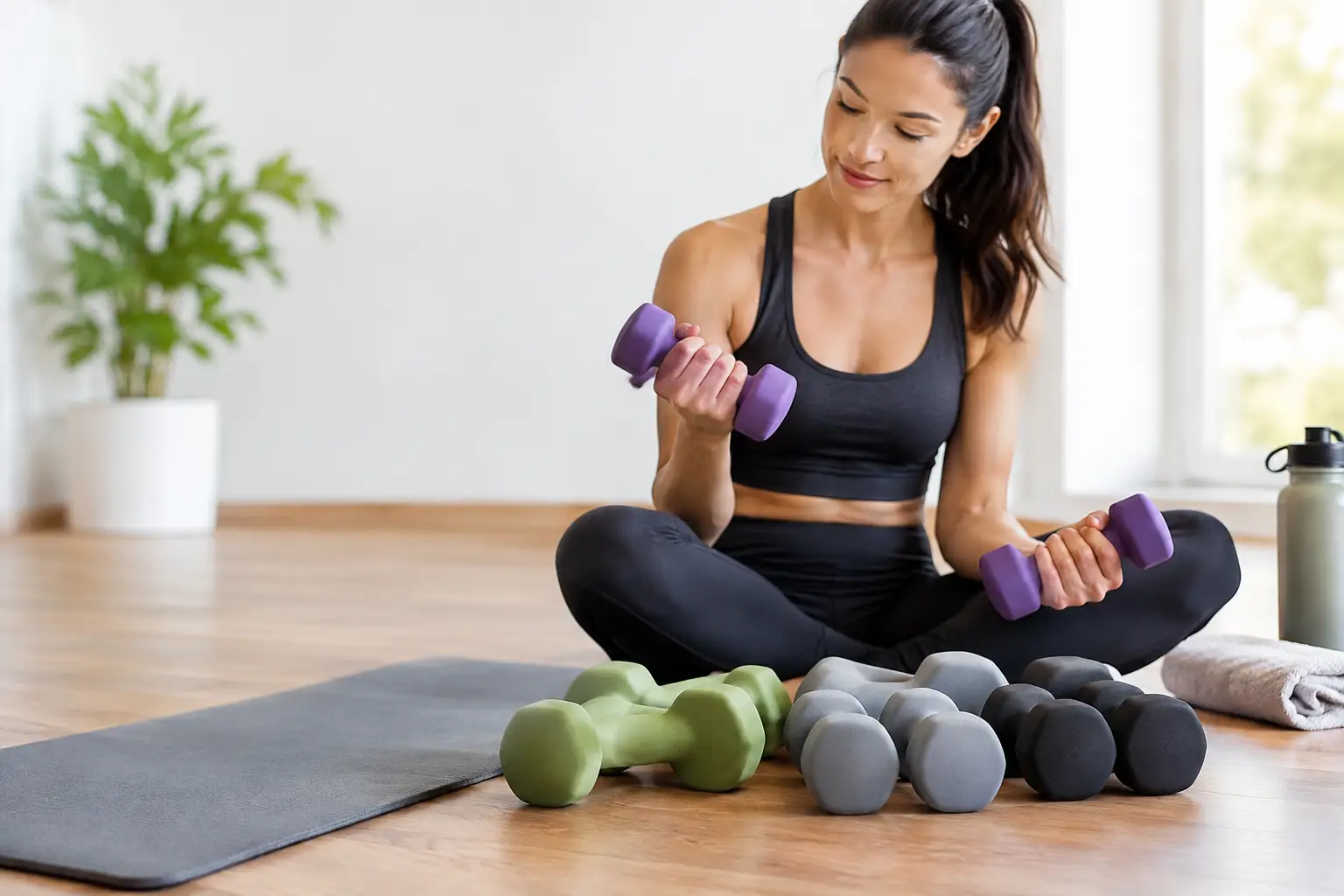
Your weights should challenge you, not turn your Yoga Sculpt class into a battle for survival by song two. When you choose yoga sculpt weights, the goal is simple: pick a load that lets you move with control, keep your alignment, and still feel that spicy strength work in a heated room.
Yoga Sculpt is not a traditional dumbbell workout, and it is not just yoga with a few curls added in. You are flowing, squatting, pressing, balancing, pulsing, and often moving to upbeat music with a faster pace. That combination makes the right weight feel different than it would on a gym bench or during a slow strength session.
Start Lighter Than Your Gym Instincts
If you regularly lift weights at the gym, you may be tempted to grab the heaviest pair available. Hit pause. In a Yoga Sculpt format, your muscles are working through high repetitions, isometric holds, transitions, and balance-based movements. Add heat and fatigue, and a weight that feels easy during your first set can feel seriously heavy by the final round.
For most first-timers, 2- to 5-pound dumbbells are a smart place to begin. A pair of 3-pound weights is often enough to make shoulder work, tricep pulses, lateral raises, and extended sequences light up quickly. If you have experience with strength training and solid control in yoga-based movement, 5 pounds may be a great starting point.
The best choice is not about proving how strong you are. It is about staying in the work long enough to get stronger. There is zero prize for muscling through shaky reps with your shoulders creeping toward your ears.
Choose Yoga Sculpt Weights by Movement, Not Ego
One reason weight selection can feel confusing is that not every exercise asks the same thing from your body. You may be able to squat or deadlift a much heavier weight than you can safely press overhead. Your arms and shoulders also tend to fatigue faster than your legs and glutes.
That is why two pairs of weights can be useful. Consider bringing a lighter pair, such as 2 or 3 pounds, for shoulder-focused work and long arm sequences. A moderately heavier pair, such as 5 or 8 pounds, may work well for squats, deadlifts, lunges, and rows if those movements are part of class.
If you only own one pair, choose the weight that supports your weakest or most technical movement. For many people, that means selecting for overhead presses, lateral raises, and tricep work rather than selecting for squats. You can always make lower-body exercises more challenging with slower tempo, deeper range of motion, or stronger engagement.
A Quick Starting Point
Use these ranges as a practical first-class guide:
- New to Yoga Sculpt, returning to movement, or working around a previous injury: 2 to 3 pounds
- Comfortable with yoga and basic dumbbell movements: 3 to 5 pounds
- Regular strength trainer with stable shoulders and strong form: 5 to 8 pounds, with lighter weights available for arm sequences
- Advanced lifter who knows how their body responds to high-rep heated training: 8 pounds or more for select lower-body movements, not necessarily for the entire class
These are starting points, not rules. A 3-pound dumbbell can humble a very strong person during a long pulse series. That is part of the fun.
Let Form Make the Final Call
The right weight lets you stay powerful without losing the quality of your movement. During class, check in with your body instead of waiting for the instructor to tell you that you have gone too heavy.
Your weight is probably too heavy if you are swinging the dumbbells for momentum, arching your low back during presses, locking out your joints, holding your breath, or losing your balance in a way that feels unsafe. Another clue: you cannot lower the weight with control. The lowering phase matters just as much as the lift, especially when the class is designed to build endurance and strength.
A challenging but appropriate weight should make the final few reps feel tough while allowing you to keep your core engaged and your shoulders steady. You may need to pause, reduce range of motion, or set the weights down for a moment. That is training with awareness, not quitting.
Heat Changes the Game
At Warrior 1 Yoga, the heat, music, and high-energy flow are part of what makes Yoga Sculpt such a full-body experience. They are also reasons to be strategic with your weights. Heat can make you feel loose and ready to go before your muscles have built enough stability for a heavy load. It also increases sweat, which can affect your grip.
Bring water, hydrate before class, and use a towel to keep your hands dry. If your dumbbells feel slippery, slow down and reset. A weight that is manageable in a cool gym can feel very different after a heated flow, a round of cardio, and a few minutes of high-rep arm work.
You also do not need to match the person on the mat next to you. Their body, training history, shoulder mobility, and energy level are not yours. Your job is to show up, work hard, and make choices that help you return stronger next class.
When to Go Lighter
Going lighter is the move when you are learning a new exercise, coming back after time away, feeling unusually fatigued, or dealing with tightness in your shoulders, wrists, neck, or low back. It is also smart to go lighter for movements that combine balance with strength, like a lunge with a bicep curl or a single-leg hinge with a row.
Lighter weights do not mean an easy workout. In fact, controlled pulses, slow lowering, longer holds, and clean transitions can make a light pair feel fierce. Focus on the muscle you are trying to work. Keep your ribs stacked over your hips, brace your core, and move with intention rather than rushing to keep up.
If you are pregnant, newly postpartum, managing an injury, or returning after a medical concern, get guidance from your healthcare professional and tell your instructor before class. Modifications are part of being a smart Warrior.
When It Is Time to Go Heavier
You are ready to increase your weight when your current pair no longer creates meaningful fatigue by the end of a set and your form stays crisp from start to finish. The change does not have to be dramatic. Moving from 3 to 5 pounds is a real jump for your upper body, particularly in a high-rep class.
Try progressing one variable at a time. You might keep your lighter weights for overhead work while using a heavier pair for squats and rows. Or you might use the same weights but commit to better control, fuller range of motion, and fewer breaks. Progress is not always about a bigger number stamped on the dumbbell.
Pay attention to how you feel the next day, too. Normal muscle soreness is one thing. Sharp pain, joint pain, numbness, or soreness that lingers and changes how you move is a signal to scale back and reassess.
Make Your First Class a Test Run
Your first few Yoga Sculpt classes are for learning your own numbers. Bring a lighter pair if you can, start conservatively, and notice where fatigue shows up. Are your shoulders cooked halfway through? Go lighter next time. Are you breezing through every squat and row with perfect control? Add a little more load for lower-body work.
The strongest choice is the one that keeps you moving, sweating, and coming back for more. Grab the weights that let you feel powerful in your body, then let the music, heat, and Warrior energy do the rest.