
Vinyasa Versus Bikram Yoga: Which Is for You?
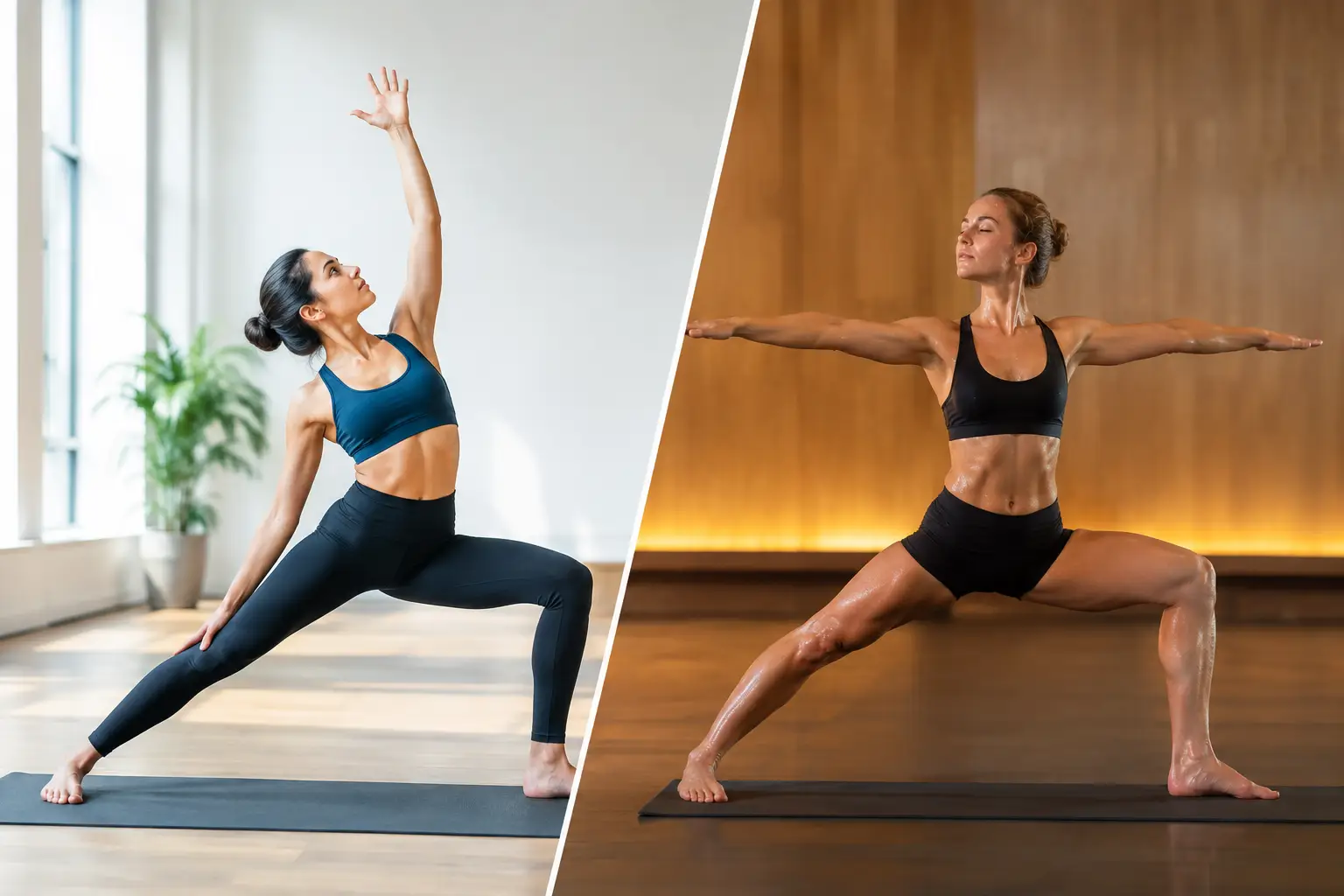
The room is warm, the music is on, and you are ready to move. But before you roll out your mat, one question matters: vinyasa versus Bikram yoga – which one will make you feel strong, energized, and excited to come back? Both can challenge your body and help you build a consistent wellness routine, but they create very different experiences.
If you love structure, repetition, and a serious sweat, Bikram may be your lane. If you want variety, flow, and the freedom to move with your breath, vinyasa may feel more like your kind of workout. Neither is automatically better. The right choice depends on what your body needs, what motivates you, and what makes you want to show up.
Vinyasa Versus Bikram Yoga: The Big Difference
The clearest difference is how each class is built. Bikram yoga follows a fixed sequence of 26 postures and two breathing exercises. Traditionally, the class lasts 90 minutes in a heated room, often around 105 degrees with elevated humidity. You will repeat the same series each time, in the same order.
Vinyasa yoga is more flexible by design. Teachers link movement to breath, creating a flowing practice that can range from slow and grounding to powerful and athletic. One class may feature lunges, twists, balance work, core training, and hip openers. The next may feel completely different. In a heated vinyasa class, the temperature can vary by studio and format, but expect warmth, sweat, and plenty of movement.
Think of Bikram as a prescribed workout you can measure over time. Think of vinyasa as a movement experience that can evolve with the energy in the room, the teacher’s intention, and your own goals that day.
What a Bikram Yoga Class Feels Like
Bikram is known for intensity, discipline, and consistency. Because the sequence stays the same, you do not have to guess what comes next. That can be a major win for beginners who prefer clear expectations. Your first class may feel like a lot, especially in the heat, but returning to the same poses gives you a front-row seat to your own progress.
Maybe you could not comfortably reach toward your toes in the standing head-to-knee pose last month. Maybe your balance wobbled through the standing bow pose. Over time, the repeated sequence makes changes easier to notice. You are not comparing one random workout to another. You are seeing what your body can do with practice.
The trade-off is repetition. Some people love knowing exactly what they are getting. Others want more variety, music, strength work, and creative movement. If you get bored doing the same workout week after week, a fixed series may not hold your attention long term.
Bikram’s classic 90-minute format also requires time and mental focus. It can be a powerful reset when you want to step away from a packed schedule. But for busy parents, professionals, or anyone fitting fitness between appointments, a shorter heated flow may be easier to keep on the calendar.
What a Vinyasa Yoga Class Feels Like
Vinyasa brings more rhythm to the room. You will move from one shape to the next with your breath as the guide. Sun salutations may lead into warrior poses, planks, chair pose, twists, balances, and stretches. Depending on the class, you may build heat with quicker transitions, hold strength-based poses longer, or slow down for deeper mobility work.
This variety is why many fitness-minded people love vinyasa. It can support flexibility and balance while also challenging your legs, shoulders, core, and cardiovascular endurance. A strong flow can leave you with that satisfying, worked-out feeling without making every class identical.
Vinyasa also gives instructors room to offer options. You might take a knee in plank, skip a chaturanga, use blocks in a fold, or choose a more advanced variation when you are ready. That makes it accessible, but it does require you to pay attention. Since sequences change, you will hear more cues and make more moment-to-moment choices.
For someone who wants yoga to feel active, social, and fresh, vinyasa often checks the box. Add a heated room and an upbeat playlist, and the experience can feel closer to a full-body fitness class than a quiet stretching session.
Is Vinyasa Easier Than Bikram?
Not necessarily. A beginner-friendly vinyasa class can be gentler than a traditional Bikram class, especially if it moves at a slower pace and offers plenty of modifications. But a power vinyasa class can be extremely demanding. Repeated planks, lunges, core work, arm balances, and fast transitions can push strength and stamina in a big way.
Bikram can feel tough because of the heat, the length of class, and the sustained focus required in each posture. Vinyasa can feel tough because of pace, strength demands, and unfamiliar transitions. The better question is not which is harder. Ask which kind of challenge you enjoy enough to practice consistently.
Heat Changes the Experience
Both styles can be practiced in warm conditions, but heat is not just a backdrop. It changes how you prepare and how you listen to your body. A warm room can make muscles feel more pliable and can create an intense, sweaty workout. It can also make dehydration, dizziness, and overdoing a stretch more likely if you are not paying attention.
Arrive hydrated, bring water, and wear clothing you can move and sweat in. A yoga towel can make a huge difference once your mat gets slippery. Eat something light ahead of class if you need fuel, but avoid showing up overly full. If you are new to heated movement, take breaks when needed. Child’s pose is always a smart option, not a failure.
Heat is not a competition. You do not earn extra Warrior points by ignoring nausea, chest pain, severe dizziness, or a racing heartbeat. Step out, cool down, and talk with the instructor. If you are pregnant, managing a heart condition, prone to fainting, or dealing with another medical concern, check with a qualified healthcare professional before trying a heated class.
Choose Based on Your Goal, Not the Label
Choose Bikram if you want routine, measurable progress, and a classic hot yoga format with a predictable sequence. It can be especially appealing if you like building confidence through repetition and want to know exactly what your workout will include every time.
Choose vinyasa if you want variety, athletic movement, and a class that blends flexibility with strength and cardio-style effort. It is a great fit when you enjoy being coached through new combinations and want your yoga practice to feel different from week to week.
If stress relief is your main goal, either can help you step away from your phone, focus on your breathing, and reconnect with your body. The difference is the flavor of that reset. Bikram offers a focused, repeatable challenge. Vinyasa offers a moving reset that can feel expressive, energetic, and playful.
At Warrior 1 Yoga, the goal is not to force yourself into a label. It is to find a class that gets you moving, sweating, and feeling more like yourself. A heated flow may become your favorite weekly escape, while restorative yoga, sculpt, barre, or a cardio-forward class may round out your routine.
Your First Class: Make It a Win
For either style, give yourself permission to be new. Set up your mat where you can see the instructor, let them know it is your first time, and focus on breathing rather than performing. You do not need the deepest forward fold or the strongest plank in the room. You just need to keep showing up.
Try a few classes before deciding what fits. One experience can be shaped by sleep, hydration, stress, room temperature, or simply having a tough day. Notice what leaves you feeling accomplished rather than wiped out, challenged rather than intimidated, and ready to return.
Your best yoga style is the one that turns self-care from another task on your list into an hour you genuinely look forward to. Bring your water, claim your mat, and let the heat remind you just how strong you are.
Notice: Trying to get property 'ID' of non-object in /home/warrior/public_html/wp-content/themes/uglyduck/template-parts/singles/single-one.php on line 52