
Kickboxing Benefits for Adults Who Want More
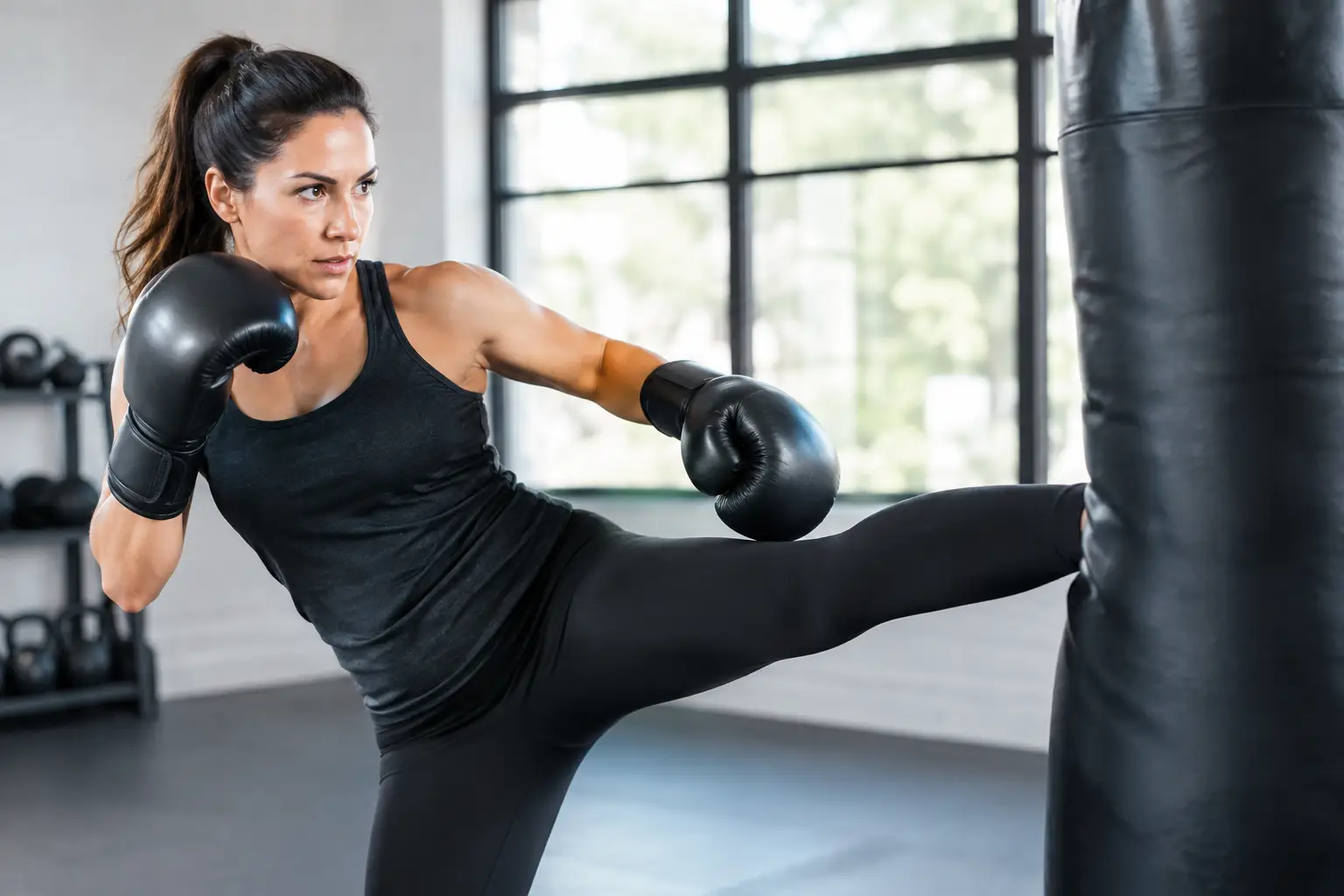
You have 45 minutes, a full schedule, and zero interest in staring at a treadmill screen. You want to sweat, hit something safely, hear great music, and walk out feeling like you did something for yourself. That is where kickboxing benefits for adults really shine. This is not about becoming a fighter. It is about building a stronger body, clearing a busy mind, and finding a workout you actually want to come back to.
Why Kickboxing Benefits for Adults Go Beyond the Bag
Kickboxing brings together punches, kicks, footwork, bodyweight movement, and fast-paced cardio. The combination asks more of your body than repetitive exercise alone. You are moving with purpose, reacting to cues, and using your arms, legs, and core in the same class.
It can be adjusted for the person in the room. A beginner can focus on learning a clean jab and steady breathing, while a regular can add speed, power, and more range of motion. That flexibility is a big reason adults stick with it.
It builds cardio without feeling like a chore
Intervals of punching, kicking, and moving around the bag can raise your heart rate quickly. But unlike a long, steady jog, the class gives you a new cue, combination, or drill to focus on every few minutes. You are too busy working to count down every second.
Over time, better cardiovascular conditioning can make everyday efforts feel less taxing. Walking up stairs, keeping up with kids, hauling groceries, or making it through a packed day can all feel more manageable when your endurance improves. Your exact calorie burn will vary based on intensity, body size, fitness level, and how consistently you show up, so do not make the number on a tracker the whole goal.
It trains strength from head to toe
A strong kick starts from the floor. Your legs create force, your hips rotate, your core stabilizes, and your upper body helps you stay balanced and controlled. Punches do the same in a different pattern, asking your shoulders, back, chest, and trunk to work together.
That does not replace dedicated strength training for everyone. If your goal is to lift heavier weights or build maximum muscle, resistance training still deserves a place in your week. Kickboxing is powerful because it supports functional strength, coordination, and muscular endurance while keeping the workout high-energy.
It strengthens the core in motion
Forget endless crunches. In kickboxing, your core is constantly doing its job: helping you rotate through punches, stay stable when you kick, and avoid wobbling when you change direction. You will feel your abs, obliques, back, and hips working because they are the bridge between your upper and lower body.
A stronger, more responsive core can improve balance and movement quality. It also helps you generate power without simply muscling through every combination with your arms and shoulders.
It improves coordination and body awareness
Jab. Cross. Hook. Front kick. Reset. At first, putting combinations together can feel like trying to pat your head and rub your stomach at the same time. Then something clicks. Your feet begin to move with your hands, your timing improves, and you start to feel more in control of your body.
That learning curve is part of the fun. Adults often spend their days sitting, driving, typing, and rushing from one responsibility to the next. A kickboxing class gives your brain and body a different challenge. You are present because the next move matters.
The Kickboxing Benefits Adults Feel Outside Class
The physical results are real, but many people become regulars because of how class changes the rest of their day.
Stress has somewhere to go
Stress does not always announce itself. It can show up as a tight jaw, short temper, restless sleep, or the feeling that you have been carrying the whole week in your shoulders. A focused round of punches and kicks can be a healthy outlet for that built-up energy.
This is not about fighting anger with anger. It is about using movement, breath, and concentration to create a reset. By the end of class, you may still have a full inbox and a long to-do list, but you are more likely to meet them with a clearer head.
Confidence grows through repetition
Confidence is not a personality trait reserved for the loudest person in the room. It is built when you do something that once felt unfamiliar, then realize you can do it again. The first time you finish a hard round, land a combination with rhythm, or choose a stronger option than last week, you earn proof that you are capable.
That feeling carries. You may stand taller, make more time for yourself, or stop talking yourself out of trying a new class. For adults who have fallen out of a fitness routine, this kind of momentum matters.
A scheduled class creates real accountability
Home workouts can be useful, but they also compete with laundry, emails, the couch, and every other demand at home. An in-person class gives your workout a place on the calendar. You show up, your coach leads the room, the music turns up, and the people around you are working too.
That shared energy can make a hard workout feel less intimidating. At Warrior 1 Yoga, the goal is not to look perfect on day one. It is to show up ready to move, sweat, laugh, and grow into your Warrior strength.
Results Depend on Technique, Recovery, and Consistency
The fastest way to get more from kickboxing is not to throw every punch as hard as possible. Good form comes first. Keep your hands up, rotate with control, avoid locking out your joints, and listen when your instructor gives a correction. Power develops from solid mechanics, not from rushing.
If you are brand new, start at a pace that lets you learn. You do not need to match the most experienced person in the room. A smaller range of motion, lighter kicks, and intentional breaks are smart training choices, not signs that you do not belong.
Recovery matters too. Kickboxing can be demanding on the calves, hips, shoulders, wrists, and core, especially when you are getting started. Hydrate, eat enough to support your activity, and make room for lower-intensity movement and rest. Yoga, mobility work, and restorative classes can complement a kickboxing routine beautifully because they support flexibility, breath, and recovery.
If you have a recent injury, chronic joint pain, balance concerns, or a medical condition that affects exercise, talk with a qualified health professional before starting. Let your instructor know about relevant limitations so they can help you find appropriate modifications.
How to Make Kickboxing Part of Your Week
Two classes a week is a strong starting point for many adults. It gives you enough repetition to learn combinations and build conditioning without making your first week feel overwhelming. If your schedule is packed, even one committed class can become the anchor habit that gets you moving again.
Come prepared to work, but do not overthink it. Wear comfortable clothes that let you move, bring water, and arrive a few minutes early if it is your first class. Pay attention to the warm-up. It prepares your joints and gives your body a chance to shift out of desk mode and into training mode.
Most of all, give yourself permission to be new. Kickboxing looks powerful because it is powerful, but every skilled combination begins with someone learning where to put their feet. Keep showing up, celebrate the small wins, and let each round remind you that your strength is something you can practice.