
A Fitness Challenge Results Example That Feels Real
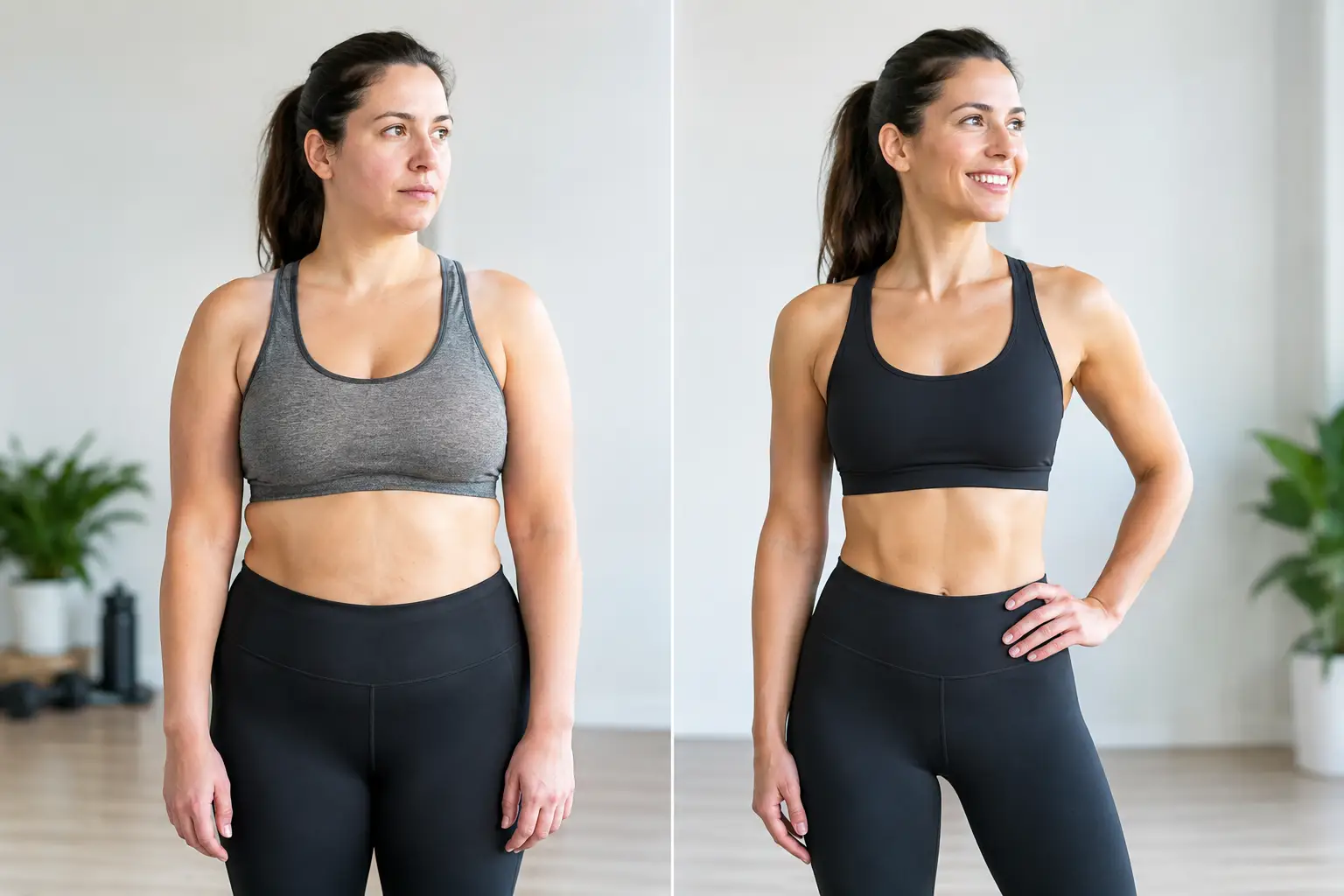
You do not need a dramatic before-and-after photo to prove your hard work counted. A real fitness challenge results example can look like making class three times a week when life is packed, holding a plank longer, sleeping better, or walking into a heated room without wondering if you belong there. The scale may move. Your energy may move first. Both are worth celebrating.
At Warrior 1 Yoga, challenges are about showing up, getting sweaty, trying something new, and building momentum with people who are doing the same thing. Here is what realistic progress can look like over 30 days, why the numbers do not tell the whole story, and how to make your next challenge count.
A realistic fitness challenge results example
Meet Jordan, a busy Bakersfield professional who joins a 30-day studio challenge after months of inconsistent workouts. Jordan is not starting from zero, but workouts have been random: a walk here, a gym visit there, plenty of good intentions, and not much routine.
The challenge goal is simple: attend 16 classes in 30 days, drink more water, prioritize protein and produce at meals, and check in weekly. Jordan rotates through hot yoga flow, yoga sculpt, a cardio class, and restorative yoga. That variety matters. Going all-out every day sounds tough, but it often leads to sore muscles, skipped sessions, and a quick exit from the plan.
By the end of the month, Jordan has attended 15 classes. Not perfect. Still powerful. The measurable changes look like this:
- Body weight is down 3 pounds, though it fluctuated throughout the month.
- Waist measurement is down 1.5 inches.
- A 30-second plank at the start becomes a 65-second plank.
- Tight hips feel noticeably more open in lunges and forward folds.
- Afternoon energy crashes happen less often.
- Stress feels easier to manage after class instead of getting carried home.
Those are real results, but the most useful win is behavioral: Jordan now has workout times blocked on the calendar and knows which classes feel exciting, which classes challenge strength, and when recovery is needed. That is the kind of progress that can keep going after Day 30.
Why challenge results look different for everyone
Two people can complete the same challenge and walk away with completely different outcomes. One may lose inches. Another may gain strength while the scale barely changes. Someone returning after an injury may simply rebuild consistency and confidence. That is not a lesser result. It is the right result for that starting point.
Your starting fitness level, sleep, stress, nutrition, hormones, work schedule, and recovery all affect what you see. Heated classes can also create short-term changes in water weight, especially when you are sweating more and improving hydration. That is why a single weigh-in is a weak way to judge an entire month of effort.
Think bigger than one number. Ask whether you feel stronger in a yoga sculpt sequence, steadier in balance poses, less winded during cardio, or more capable of taking the stairs. Notice whether you have more patience at home, better focus at work, or less of that stiff, stuck feeling after sitting all day. Fitness is physical, but it changes the rest of your life too.
The scale is data, not a report card
If fat loss is one of your goals, a scale can be useful when used calmly and consistently. Weigh under similar conditions, such as once a week in the morning, and look for trends rather than reacting to every daily change.
But pair it with other check-ins. Measure your waist or hips if that feels helpful. Take progress photos in the same clothes and lighting. Track classes completed, weights used, mobility gains, and how your clothes fit. When you have more than one marker, you get a more honest picture of your progress.
Build a challenge that creates results you can keep
The best challenge is not the one with the most punishing schedule. It is the one you can complete while still handling your job, family, and actual life. For many people, three to five studio sessions per week is plenty when those sessions have purpose.
A strong week might include two strength-focused or cardio-infused classes, one or two hot yoga flows for mobility and conditioning, and one recovery-based session when your body needs it. If you love kickboxing, barre, Buti yoga, or Zumba-style movement, use that excitement. The workout you look forward to is easier to repeat.
Make the plan specific before the week begins. “I will work out more” leaves too much room for a long day to take over. “I am booked for Monday yoga sculpt, Wednesday hot flow, and Saturday cardio” gives you an appointment with yourself. Put it on the calendar, pack your clothes, and book your spot.
Do not try to out-sweat a chaotic routine
Heat, music, and a high-energy class can make you feel unstoppable, and that is part of the fun. Still, sweat is not a shortcut around recovery, sleep, or food choices. A challenge works best when your workouts support your life instead of becoming another source of pressure.
Drink water throughout the day, not only after class. If you sweat heavily, consider electrolytes based on your needs and talk to a health professional if you have medical concerns. Eat enough to fuel training, with protein, fiber-rich carbohydrates, colorful produce, and fats that keep meals satisfying. Extreme restriction may produce a fast early drop on the scale, but it can also leave you exhausted and more likely to quit.
Sleep deserves a spot in the challenge too. A late-night scroll session can make a 6 a.m. class feel impossible, and poor sleep can make hunger, soreness, and stress louder. You do not need a perfect bedtime. Start by protecting one extra hour when you can.
Use accountability without making it punishment
Challenges feel different when people know your name, notice your effort, and cheer when you hit a milestone. That is the advantage of an in-person fitness community. You are not just tapping a workout video alone in your living room. You are walking into a room with a coach, a plan, great music, and other Warriors who showed up too.
Accountability can be simple. Tell a friend which classes you booked. Mark every completed session on a calendar. Take a weekly note on energy, mood, strength, and sleep. If you miss a class, skip the guilt speech. Adjust the schedule and come back at the next opportunity.
Consistency is not never missing. Consistency is returning quickly.
What to expect after 30 days
Thirty days can create a noticeable shift, but it is not a finish line. You may feel more flexible, stronger, more energized, and more comfortable in your body. You may lose weight or inches. You may also discover that your biggest win is no longer negotiating with yourself every time it is time to work out.
If your results are slower than you hoped, do not assume the challenge failed. Look at the full picture: attendance, recovery, food habits, stress, and whether your goal was realistic for the month you had. Then choose your next move. Add one more class per week, improve your post-workout meal, commit to bedtime, or keep the same plan long enough for it to compound.
Your best fitness challenge result might not be a perfect photo or a giant number. It might be realizing that movement can be hard, hot, loud, fun, and completely yours. Show up for the next class, let the music carry you through the tough part, and give your future self another reason to feel strong.