
Yoga Training That Builds Strength and Confidence
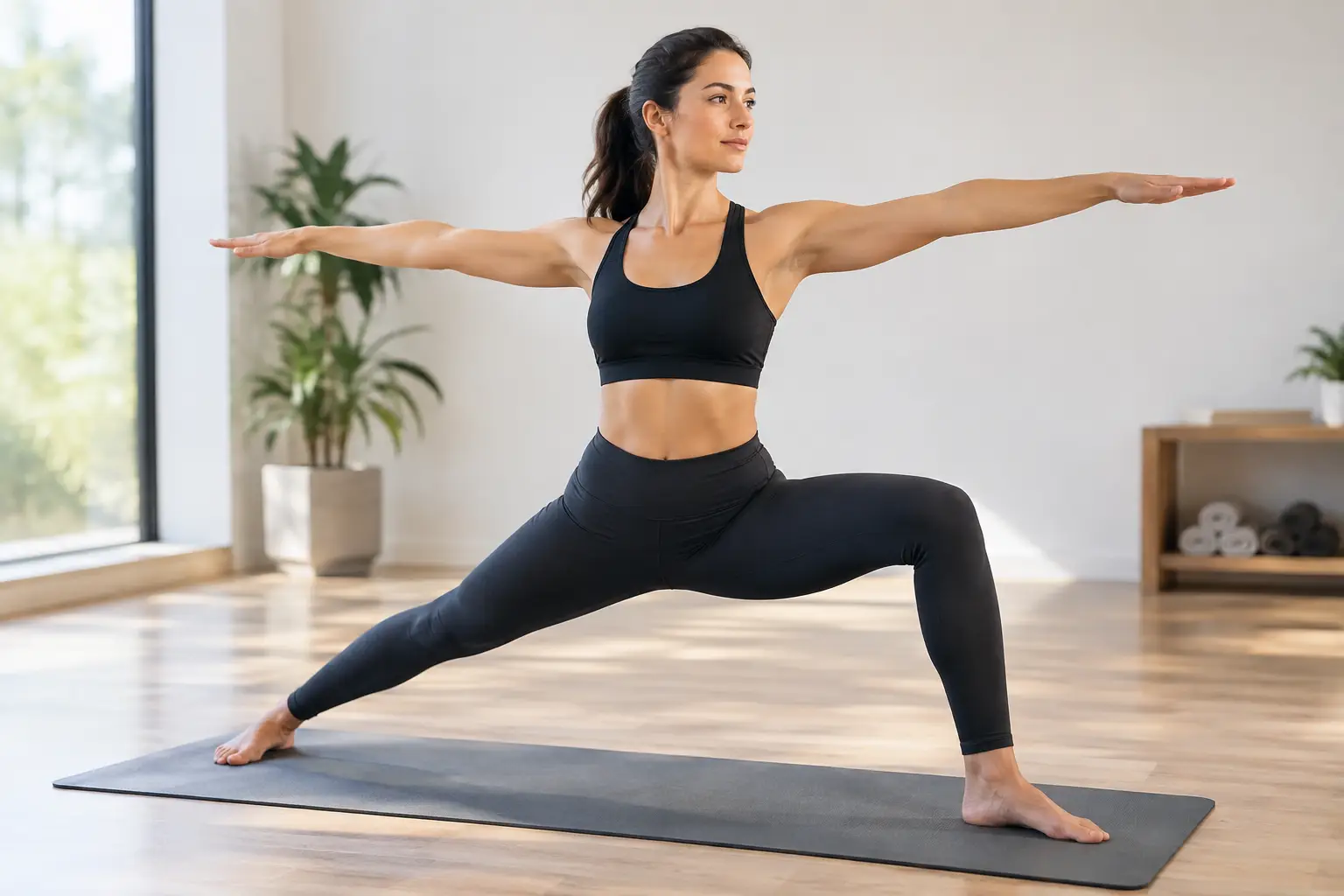
The room is warm, the playlist is up, and your calendar is already packed. That is exactly why yoga training can become the hour that changes the rest of your week. It is not about forcing a perfect pose or pretending you have unlimited free time. It is about showing up, moving with purpose, sweating out the noise, and leaving stronger than you arrived.
For Bakersfield adults balancing work, kids, errands, and a full mental load, a good studio routine has to deliver more than a quick stretch. It should build strength, improve mobility, raise your heart rate when you want it to, and give your brain a real break. The best part? You do not need to be flexible, experienced, or quiet in the back row to start. You just need a willingness to try.
What Yoga Training Looks Like in a Heated Studio
Yoga training is not one single kind of workout. It can be a slow, grounding class that helps tight hips and tired shoulders finally release. It can also be a fast-moving flow that challenges your legs, core, balance, and focus. Add heat, music, and smart coaching, and the experience becomes a full-body fitness practice that meets you where you are while still asking you to level up.
At Warrior 1 Yoga, that variety matters. Some days call for a hot yoga flow where you move, breathe, and build stamina. Other days, yoga sculpt, barre-inspired movement, kickboxing, or HIIT may be the better match for your energy and goals. A strong routine does not have to look identical every day. In fact, mixing formats is often what keeps your body progressing and your motivation alive.
Heat can make a class feel intense, but it is not a shortcut to fitness. It raises the challenge by asking you to pay closer attention to hydration, pacing, and breath. You may feel more mobile in a warm room, which can make movement feel great, but flexibility should still come from patience rather than pushing past your limits. The goal is strong, controlled range of motion, not seeing how far you can force a stretch.
The results go beyond flexibility
People often walk into their first class expecting hamstring stretches and a little relaxation. Those benefits are real, but consistent training can deliver much more. Flowing through lunges, planks, standing balances, and controlled transitions builds usable strength through the legs, glutes, shoulders, back, and core. Holding poses teaches your muscles to stabilize, while linking breath to movement builds body awareness that carries into every other workout.
There is also the mental side. A scheduled class gives busy people a clear boundary: for the next 45 or 60 minutes, the emails can wait. You are focused on the next breath, the next movement, and the music in the room. That kind of focus can help lower stress and make it easier to return to daily responsibilities with a clearer head.
The results depend on the class mix, your consistency, your sleep, and what happens outside the studio. Yoga alone does not replace nutrition, recovery, or progressive strength work for every goal. But it is a powerful foundation because it improves how your body moves, recovers, and handles challenge.
Build Your Yoga Training Week Around Real Life
The best schedule is not the most extreme one. It is the one you can repeat next week. If you are brand new, two classes a week is a strong start. One can be a beginner-friendly yoga class where you learn the basics without rushing. The other can be a more active flow or a cardio-strength format that lets you feel the fun, sweaty side of the studio.
After a few weeks, many people find that three or four sessions give them the rhythm they were missing. A balanced week might include a heated flow for mobility and stamina, yoga sculpt or Power Plate work for strength, a higher-energy cardio class for a serious sweat, and restorative yoga when your body needs recovery. You do not need all of those every week. Think of them as tools, not homework.
If your goal is strength and body confidence, include formats that challenge resistance, stability, and endurance. If stress relief is the priority, keep at least one slower class on the schedule. If you are training for an event, lifting heavy elsewhere, or returning after time off, recovery-focused movement may be the smartest choice. Hard work is valuable. So is knowing when your body is asking for a different kind of work.
Your first few classes: what to expect
Come hydrated, especially for heated classes. Bring water, a towel, and clothes that let you move comfortably when things get sweaty. Arrive with enough time to settle in rather than rushing from the parking lot straight into the warm room. That small buffer helps your body and brain shift gears.
You may wobble in balance poses. Your legs may shake in a chair pose. You may need to take child’s pose while everyone else keeps moving. None of that means you are behind. It means you are training. Good instructors offer options because every body arrives with a different history, energy level, and range of motion.
A beginner class is not an easy class in the dismissive sense. It is where you learn alignment, breathing, and how to modify with confidence. Those skills make every future class safer and more satisfying. Experienced students benefit from them too, especially when they want to clean up form instead of simply chasing intensity.
Make Progress Without Burning Out
The people who get the most from a studio practice are not always the ones going hardest every day. They are the ones who notice patterns. Maybe your low back feels better after flows that emphasize hip mobility. Maybe sculpt classes make you feel powerful, but you sleep better when restorative yoga follows a demanding week. Maybe an evening class is the only appointment you consistently keep. Use that information.
Track progress in more than one way. The scale may change, or it may not move as quickly as you expect. Notice whether your plank feels steadier, whether stairs feel easier, whether you can touch your toes with less effort, or whether stressful days feel a little more manageable. These are real wins, and they tend to last longer than motivation based only on appearance.
Fueling matters, too. A heavy meal right before a heated workout may not feel great, but showing up underfed can leave you dizzy or drained. Find a light pre-class snack that works for you, drink water throughout the day, and replenish after class with a balanced meal. If you have a medical condition, are pregnant, have a recent injury, or tend to feel faint in heat, speak with a healthcare professional and let your instructor know before class.
There is no prize for ignoring pain. Muscle effort and normal heat-related fatigue are part of training. Sharp pain, nausea, confusion, chest discomfort, or dizziness are signals to stop, cool down, and get help if needed. Taking a break is not quitting. It is how you build a practice that can stay with you for years.
Find the Class That Makes You Want to Return
Motivation is easier when the workout feels like an experience rather than another item on a to-do list. That is why class energy matters. The right music can carry you through a difficult sequence. A coach who knows your name can make it easier to come back after a rough week. A room full of people working hard can remind you that you do not have to do every hard thing alone.
Try more than one format before deciding what yoga is for you. If a slow class feels too quiet, a heated flow or yoga sculpt class may click. If high-energy training leaves you depleted, a restorative session could become the recovery habit you did not know you needed. Your ideal practice can change with the season, your schedule, and your goals.
Start with the class you can actually attend this week. Bring water, take the modification when you need it, let yourself sweat, and give the routine enough time to become familiar. Every time you walk into the room, you are building more than flexibility. You are building a stronger, more confident way to show up for yourself.