
Strength Based Yoga Classes That Build Real Power
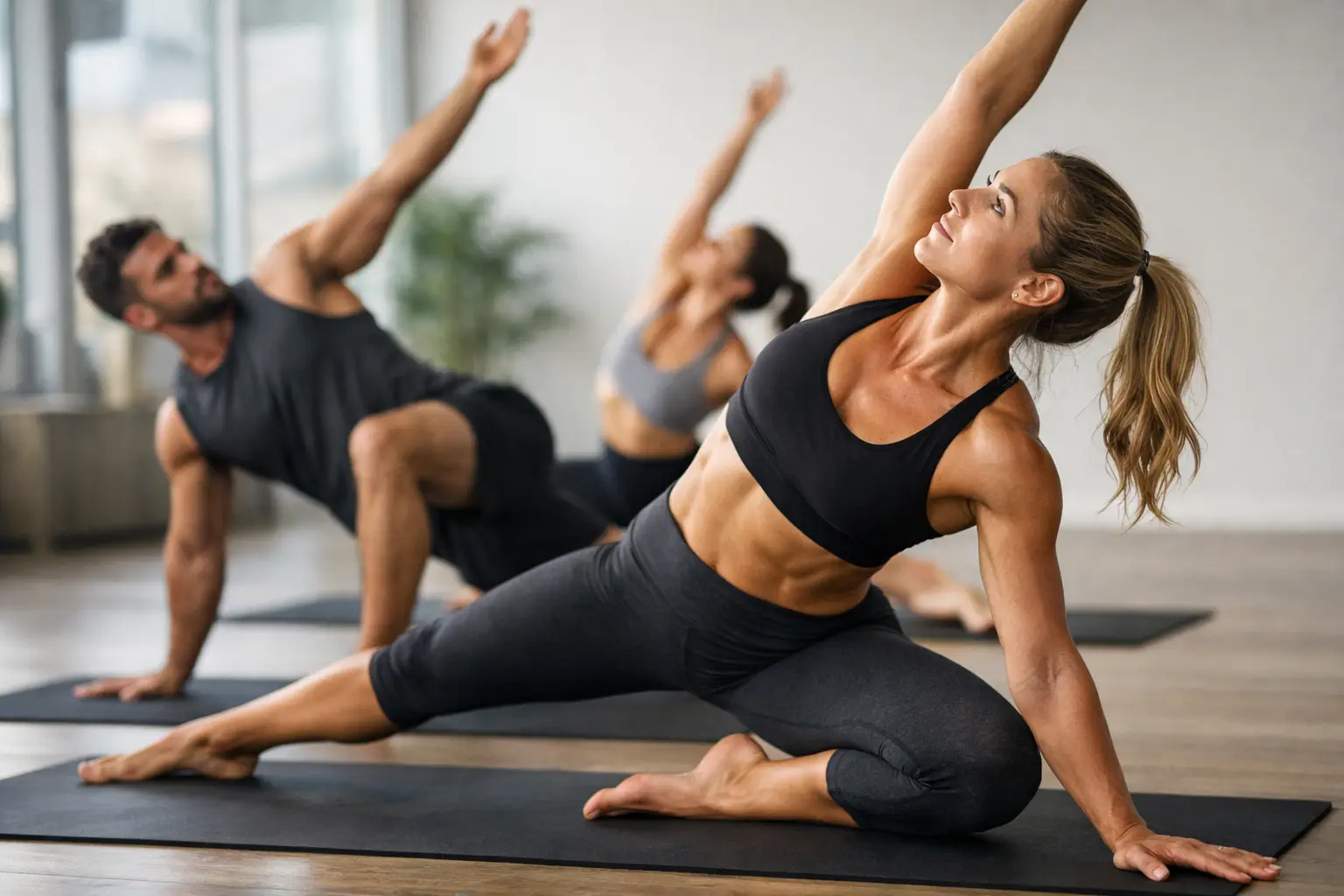
Your legs are shaking in chair pose, the playlist is loud, and you realize this is not the slow stretch class you expected. Strength based yoga classes bring the focus, mobility, and mind-body connection of yoga into a workout that also asks your muscles to work hard. You will sweat, build stamina, and leave with the kind of earned confidence that carries into the rest of your week.
For Bakersfield adults who want more than a treadmill routine or a quiet room full of whispered cues, this style makes sense. It is yoga with purpose, energy, and a serious dose of strength training – without requiring you to already be flexible, advanced, or perfectly coordinated.
What Strength Based Yoga Classes Actually Feel Like
A strength-focused yoga class uses familiar yoga foundations – breath, balance, body awareness, and intentional movement – then adds longer holds, stronger transitions, resistance, and sometimes cardio intervals. Depending on the format, you may use light weights, resistance bands, bodyweight exercises, or a heated room to raise the challenge.
Think high lunge flowing into a controlled knee drive. Think warrior II held long enough to wake up every muscle around your hips. Think plank variations, squats, push-ups, and core work woven into movement that keeps you from staring at a clock between sets.
At Warrior 1 Yoga, that intensity is part of the fun. Upbeat music, coaching, and a room full of people working toward their own goals can make a demanding workout feel more like a release than a chore. You are not there to perform. You are there to show up, get stronger, and have a good time doing it.
Why Yoga Strength Training Works
Traditional strength training and yoga are not opposites. Lifting builds force production. Yoga asks you to control your body through a full range of motion. Put them together thoughtfully, and you train both power and the stability that helps you use it well.
You build functional strength
Strength based yoga often relies on compound movements, meaning several muscles work at once. A powerful chair pose challenges your quads, glutes, core, and posture. A plank works the shoulders, chest, arms, and deep abdominal muscles. A slow transition from standing to the floor asks for control, not momentum.
That matters outside the studio. Carrying groceries, lifting a child, getting up from the ground, holding good posture at a desk, and moving through a busy day all require strength that works as a team. The goal is not just to make a pose look impressive. It is to feel more capable in your own body.
Mobility keeps strength useful
Muscle without mobility can feel tight and limited. Mobility without strength can be hard to control. Strength-focused yoga trains both in the same session by asking you to stabilize joints while moving through ranges that may be neglected in a standard gym workout.
This is especially valuable if you spend long hours sitting, driving, or working at a computer. Tight hips, stiff shoulders, and a cranky lower back often do not need more punishment. They need consistent, smart movement and stronger support from the muscles around them.
The pace keeps your mind engaged
Some people love counting reps. Others need variety to stay consistent. Yoga strength formats change positions and movement patterns often enough to keep your brain in the workout. You may be focused on balance one minute, lower-body endurance the next, then core stability before settling into a recovery stretch.
That variety is not random. It helps develop a more well-rounded fitness base while making class feel fresh. And when the music is good and the room is energized, it is easier to give more than you would alone.
Heat Changes the Experience, Not the Basics
Heated strength yoga can feel incredible, but heat is an added training condition, not a shortcut. It may make you feel loose faster and can turn up the sweat factor, yet it also raises the need for hydration, pacing, and honest self-awareness.
Arrive hydrated, bring water, and do not wait until you feel wiped out to take a break. If you are new to heated classes, place your mat near the door if that makes you more comfortable, move at a manageable pace, and let your instructor know it is your first time. Taking child’s pose or stepping out briefly is a smart decision, not a failure.
Heat is not right for every body on every day. If you are pregnant, managing a medical condition, returning after illness, or prone to dizziness, check with a healthcare professional and choose a class format that fits your needs. Results come from repeatable training, not from trying to win your first class.
Choosing the Right Class for Your Goal
The best class depends on what you want from your workout and how you want to feel afterward. If you want a yoga-first experience with a stronger athletic edge, a heated flow or power flow may be the right fit. Expect continuous movement, standing sequences, balance work, and bodyweight strength.
If you want more direct resistance training, yoga sculpt is usually the move. These classes commonly blend yoga sequences with light weights and higher-repetition strength work. Your heart rate may climb quickly, especially when squats, lunges, presses, and core exercises arrive between flows.
For a more explosive sweat session, cardio-infused yoga, HIIT-inspired formats, kickboxing, or barre-based work can complement your yoga practice. They are not replacements for one another. A week that includes strength, mobility, cardio, and recovery tends to feel better than doing one intense format every single day.
Restorative and beginner-friendly classes also belong in the plan. They help you learn alignment, recover from harder sessions, and maintain the consistency that produces real change. Warriors know when to push and when to recharge.
What to Expect in Your First Class
Do not overthink your first visit. Wear clothes you can move and sweat in, bring water and a towel, and arrive early enough to get settled without rushing. If you have a mat, bring it. If not, ask what is available before class.
Tell the instructor about injuries, limitations, or concerns. A good coach can offer options for wrists, knees, shoulders, balance, and intensity. Modifications are part of training, especially when you are learning a new movement pattern. Choosing a lower-impact option lets you build confidence and strength without forcing your body into a position it cannot control yet.
You also do not need to match the person on the next mat. Maybe your warrior III is steady today, and maybe it is a wobble-fest. Both count. The work is in returning to the pose, the breath, and the next rep.
How Often Should You Go?
For most beginners, two strength-based classes per week is a strong starting point. It gives your muscles time to recover while building familiarity with the movements. After a few weeks, you might add a third class, a low-intensity flow, or a restorative session depending on your energy, schedule, and goals.
If muscle gain is your main goal, progression matters. Use slightly heavier weights when your form is solid, hold positions with more control, and choose options that challenge you without breaking alignment. If stress relief is your main goal, keep the intensity balanced with recovery. If fat loss is part of the picture, pair consistent classes with realistic nutrition, sleep, and daily movement habits.
There is no magic class that does everything overnight. There is, however, a powerful shift that happens when movement becomes something you look forward to. Find the format that makes you want to come back, let yourself be a beginner, and give your strength room to grow.