
Is Yoga Sculpt Beginner Friendly? Start Strong
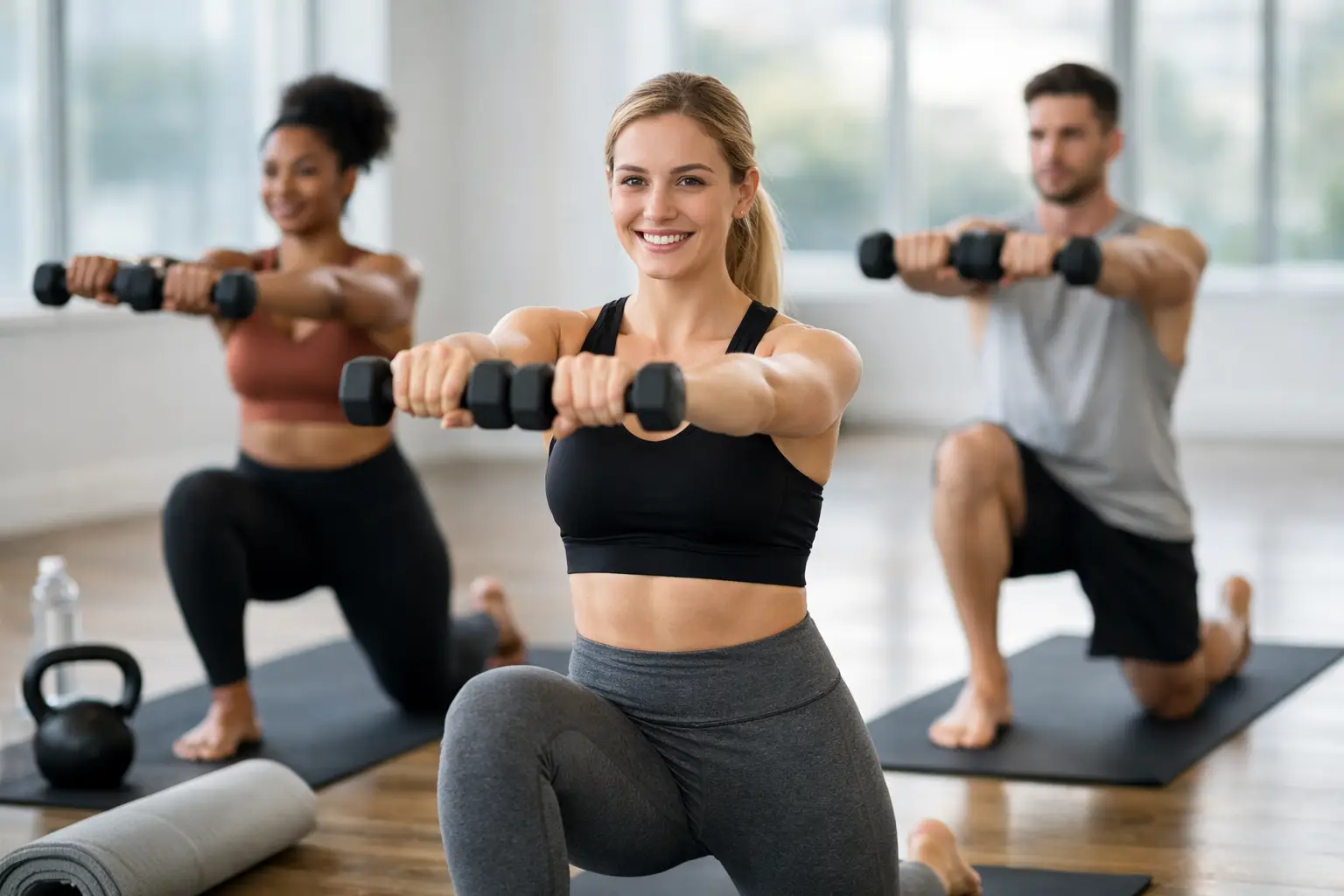
The first time you walk into a Yoga Sculpt class, you may see weights, mats, upbeat music, and people ready to sweat. That can look intimidating from the doorway. But is yoga sculpt beginner friendly? Absolutely – when you approach it with smart expectations, light weights, and permission to take breaks whenever your body asks for one.
Yoga Sculpt is not about proving how hard you can push on day one. It is a high-energy blend of yoga-inspired movement, strength training, and cardio that can meet you at your current fitness level. Your version of the workout may look different from the person on the next mat, and that is exactly how it should be.
What Yoga Sculpt Actually Feels Like
A typical Yoga Sculpt class blends familiar yoga positions with bodyweight exercises, dumbbells, balance work, and cardio intervals. You might move from a lunge into a shoulder press, hold a plank, then pick up the pace for a short burst of high knees or squats. The music is louder, the energy is bigger, and the goal is to build strength while keeping the flow moving.
Some classes are heated, which adds another layer to the experience. Heat can help your muscles feel more mobile, but it also makes hydration, pacing, and self-awareness non-negotiable. Sweat is part of the fun. Feeling like you have to keep up at any cost is not.
The biggest surprise for beginners is that Yoga Sculpt asks for more than flexibility. You will use your legs, core, shoulders, and grip strength. You may feel wobbly during balance work or need to lower your weights halfway through a set. That is not failure. That is your body learning a new training style.
Is Yoga Sculpt Beginner Friendly in a Heated Studio?
Yes, with a few honest caveats. Yoga Sculpt is beginner friendly when the instructor offers options, you choose weights that match your ability, and you listen to your body instead of chasing the fastest person in the room. It may not feel easy, especially if you are new to exercise, heat, or strength training. Friendly does not mean effortless. It means you have a clear, supported way to participate.
If you have never taken a yoga class, you do not need to memorize pose names before you arrive. Instructors will demonstrate movements and cue alignment. If a transition moves too quickly, pause in a comfortable standing position or child’s pose, take a breath, and rejoin when you are ready. One missed combination will not change your workout. Pushing through dizziness, sharp pain, or panic might.
Heat deserves extra respect for first-timers. Arrive well hydrated, bring water, and do not skip food all day before class. A light meal or snack beforehand can help you feel steadier. If you are pregnant, managing an injury, have a heart condition, take medication that affects heat tolerance, or have another health concern, check with your health care provider first and let your instructor know before class starts.
Your First-Class Strategy: Go Lighter Than You Think
The most common beginner mistake is choosing weights based on what looks impressive. Yoga Sculpt often uses higher repetitions and combines weights with an elevated heart rate. A pair of lighter dumbbells can become very challenging very quickly, especially after lunges, planks, and squats.
Start with a weight that lets you control your movement without swinging, holding your breath, or losing your posture. You can always add intensity later. If your shoulders rise toward your ears during presses or your low back starts to arch during core work, reduce the weight or put it down for a round. Strong form creates better results than forcing a heavier set.
It also helps to think in rounds, not in the full hour. Can you move well for the next 30 seconds? Great. Can you take a breath, reset, and try the next section? Even better. That mindset makes the class more manageable and builds the confidence that gets you back on your mat.
Modifications Are Part of the Workout
A good Yoga Sculpt class gives you choices. Use them early, not only when you are exhausted. Modifications help you stay connected to the class while protecting your joints and building the strength needed for more advanced versions later.
For planks and push-ups, place your knees on the mat or take your hands to an elevated surface when available. During lunges, shorten your stance and hold one weight instead of two. If jumping is not right for your knees, ankles, pelvic floor, or comfort level, step the movement out. A fast step-back can still raise your heart rate and keep you in the rhythm of class.
Balance is another place where beginners often judge themselves too harshly. Keep a soft bend in your standing knee, use a wall or nearby support if instructed, and put one foot down whenever you need to. Balance is a skill, not a personality trait. It improves through repetition.
What to Bring and How to Set Yourself Up
Your first class goes more smoothly when you handle the basics before the music starts. Bring a water bottle, a mat if your studio does not provide one, and a towel for sweat. Wear clothes that let you squat, lunge, and lift without constant adjusting. Grippy socks can work for some people, though many students prefer practicing barefoot for a more stable connection to the mat.
Arrive a little early. Tell the instructor it is your first Yoga Sculpt class and mention any injuries or movement limitations. This is not an awkward confession. It gives your coach a chance to point out equipment, suggest a starting weight, and help you find a spot where you feel comfortable.
At Warrior 1 Yoga, that Warrior energy is not reserved for people who already know every move. It is for the person who walks in nervous, tries something new, takes the modification, and comes back stronger.
How Often Should a Beginner Take Yoga Sculpt?
For most beginners, one class a week is a solid starting point. It gives your body time to recover and lets you notice how your muscles respond. After a couple of weeks, two weekly classes may feel great if you are sleeping well, eating enough, and not carrying lingering joint pain or extreme fatigue.
The trade-off is simple: more classes can build familiarity faster, but too much intensity too soon can make you dread the workout or compromise your form. Pair Yoga Sculpt with lower-intensity movement such as walking, restorative yoga, or a beginner-focused yoga class. Those sessions can support mobility, recovery, and confidence without asking your body to go all-out every day.
Pay attention to the difference between normal training discomfort and a warning sign. Muscle soreness, a faster heartbeat, and a strong sweat are expected. Sharp pain, dizziness, nausea, chest discomfort, or pain that changes your movement pattern are reasons to stop and speak with the instructor or a medical professional as appropriate.
Give Yourself Permission to Be New
There is no prize for making your first Yoga Sculpt class look polished. The win is showing up, learning how your body responds, and leaving with a little more strength than you walked in with. Some days you will lift heavier. Other days, your strongest move may be taking child’s pose, drinking water, and choosing to continue.
Come ready to sweat, laugh when a balance pose gets weird, and make room for the learning curve. Your first class is not an audition. It is the start of a routine that can make you feel stronger, steadier, and more at home in your own body.