Are Vibration Plates Safe? What to Know First
That gentle-looking shake can surprise you the first time you step on a vibration plate. Your legs switch on, your core has to work, and even simple moves can feel more challenging. So, are vibration plates safe? For many generally healthy adults, yes – when the machine is used correctly, at an appropriate setting, and as part of a balanced fitness routine.
The key word is correctly. A vibration plate is not a magic shortcut, and more intensity is not automatically better. Like hot yoga, strength training, or a sweaty cardio class, it works best when you respect your current fitness level, listen to your body, and build up with purpose.
What a Vibration Plate Actually Does
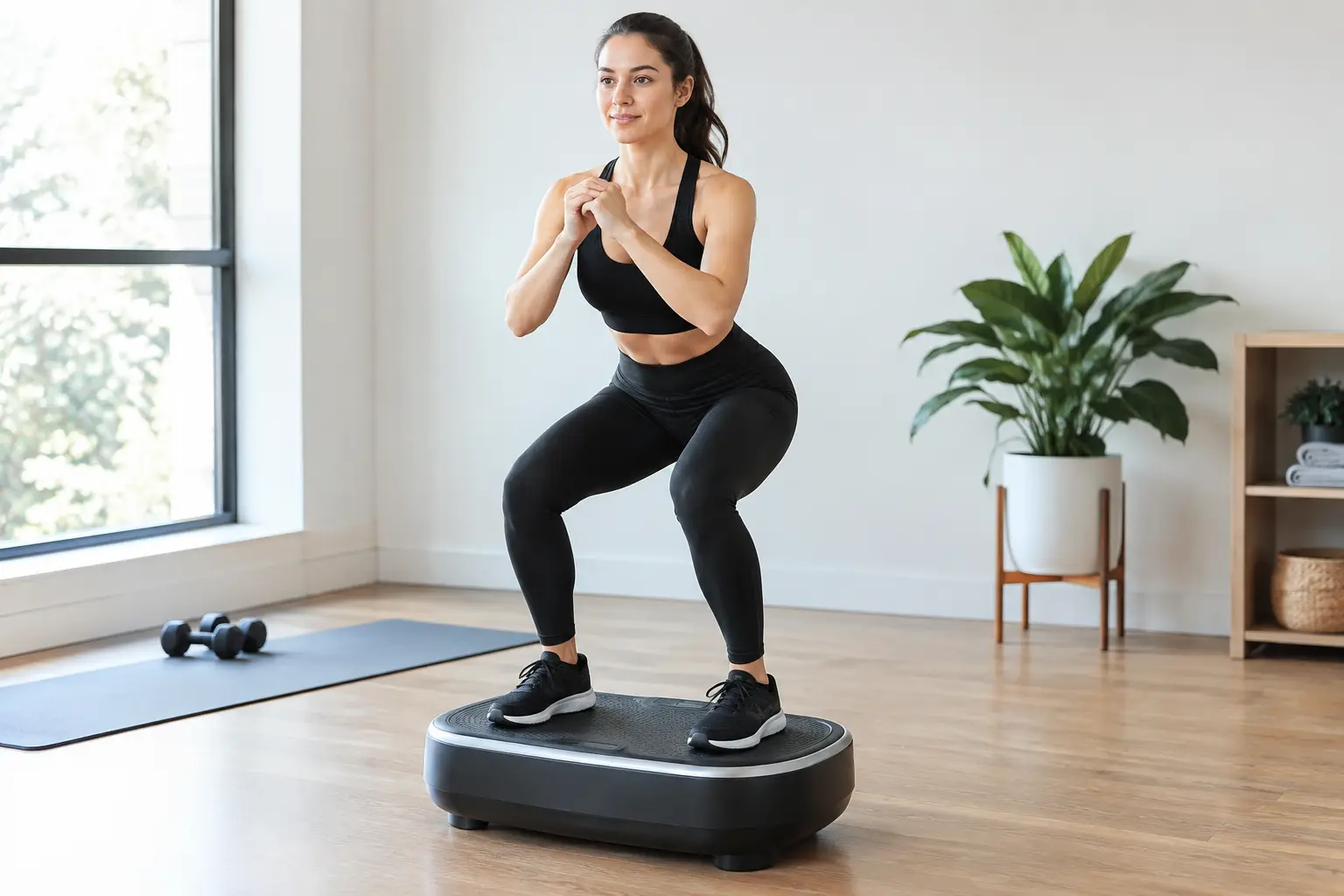
A vibration plate creates rapid, controlled movement beneath your feet. As your body responds to that movement, your muscles make small, repeated contractions to help you stay stable. That is why standing in a soft squat, holding a plank with your hands on the platform, or doing a lunge can feel more demanding than the same position on the floor.
Whole-body vibration training may support balance, muscle activation, circulation, and mobility when paired with regular movement. It can also add variety when your routine has started to feel stale. But it is best viewed as an accessory to your training, not a replacement for strength work, cardio, flexibility training, nourishing food, or recovery.
The safety question also depends on the machine, the setting, the exercise, and the person using it. A low setting and a supported stance are very different from trying a high-intensity movement before you have learned how your body responds.
Are Vibration Plates Safe for Beginners?
For a beginner without a health condition that could make vibration training risky, starting slowly is usually the smart path. You do not need complicated moves to feel the effect. A comfortable athletic stance with knees slightly bent is enough to introduce your body to the platform.
Start with a short session at a low speed or intensity. Keep your knees soft rather than locked, stand tall, and hold a stable surface if balance is a concern. Notice how your feet, knees, hips, low back, and head feel during and after the session. Mild muscle fatigue is one thing. Sharp pain, dizziness, numbness, headache, or feeling unsteady is your cue to stop.
Beginners often make one mistake: they chase a bigger shake because they assume it means a better workout. Not so fast, Warrior. Quality positioning matters more than cranking up the setting. A controlled squat or calf raise at a manageable intensity will serve you far better than a wobbly, tense stance at maximum power.
Who Should Check With a Health Care Provider First?
Vibration plates are not right for everyone. If you are pregnant, have recently had surgery, or are recovering from an injury, get personal guidance from a qualified health care provider before trying one. The same goes for people with significant heart or circulation concerns, a history of blood clots, severe osteoporosis, uncontrolled high blood pressure, seizure disorders, or serious balance issues.
You should also ask before starting if you have a pacemaker or implanted medical device, joint replacements, spinal conditions, diabetes-related nerve problems, chronic unexplained pain, or take medication that affects balance or blood pressure. This is not about sitting on the sidelines. It is about choosing movement that supports your body instead of guessing your way into a setback.
If you are managing low back, hip, knee, ankle, or pelvic floor symptoms, the answer may not be a hard no. It may simply mean modifying the exercise, using a lower setting, shortening your time, or choosing another class format for now. Individual advice matters here because the right option depends on your diagnosis, symptoms, and stage of recovery.
How to Use a Vibration Plate More Safely
Good form turns vibration training from random shaking into useful movement. Begin with shoes that provide traction unless your instructor gives different guidance. Place both feet evenly on the platform, keep a small bend in your knees, and brace your core as if you are preparing for someone to give you a gentle poke in the side.
Avoid locking your joints. A locked-knee stance can send more vibration up the body and feels less controlled. Keep your shoulders relaxed, jaw unclenched, and breathing steady. If the vibration seems to rattle your head or makes your vision feel strange, lower the intensity or step off.
When adding exercises, choose simple movements first. Supported squats, calf raises, a gentle static lunge, or a modified plank can all be appropriate depending on your experience. Save fast jumps, unstable single-leg drills, heavy weights, and advanced combinations for later, ideally after coaching. The platform already adds a challenge. There is no prize for making every exercise harder on day one.
A few basic habits make a real difference:
- Warm up first with easy walking, dynamic mobility, or a few bodyweight movements.
- Keep early sessions short and give your body time to recover before doing more.
- Use the equipment as directed and step on and off only when the plate has stopped.
- Stay hydrated, especially if vibration training follows a heated class or sweaty workout.
- Tell an instructor about relevant injuries, limitations, or concerns before class begins.
The Trade-Off: Useful Tool, Not a Miracle Machine
Vibration plates can make bodyweight exercises feel more intense, which is part of their appeal. They may be especially helpful for someone who wants a low-impact way to challenge stability or add muscle engagement to familiar movements. Yet that same intensity can expose poor form, fatigue, and balance limitations quickly.
They also cannot do the whole job alone. If your goal is stronger muscles, you still need progressive resistance training. If you want better cardiovascular fitness, you need movement that raises your heart rate over time. If stress relief and flexibility are the mission, breath-led yoga, restorative work, and mobility still belong in your week.
Think of the plate like the bass in a great workout playlist: it can add energy and make everything feel more alive, but it should not drown out the rest of the song. The most effective routine combines the right tools with consistency.
Signs You Should Stop and Reassess
Exercise can be challenging without feeling alarming. Stop your session if you experience chest pain, severe shortness of breath, faintness, new numbness or weakness, sudden severe headache, joint pain, or pain that travels down an arm or leg. Seek medical care promptly for symptoms that are severe, persistent, or concerning.
Less dramatic signals count, too. If you consistently feel worse after vibration training, cannot maintain stable form, or develop lingering soreness in your joints or back, scale it down. Lower the setting, reduce the time, switch the exercise, or take a rest day. Pushing through pain is not a Warrior move. Training with awareness is.
Make It Part of a Stronger Routine
The safest vibration plate session is one that fits your actual body and your actual week. Maybe that means a few minutes of supported lower-body work after strength training. Maybe it means using the plate for controlled mobility and balance practice. Maybe it means skipping it today because your body needs restorative movement instead.
At Warrior 1 Yoga, the goal is never to make fitness feel intimidating. It is to help you move, sweat, build confidence, and keep showing up in ways that feel powerful. Start where you are, ask for coaching when you need it, and let good technique lead the way. Your strongest next step is the one you can take safely and repeat with confidence.