7 Power Plate Training Benefits Worth Feeling
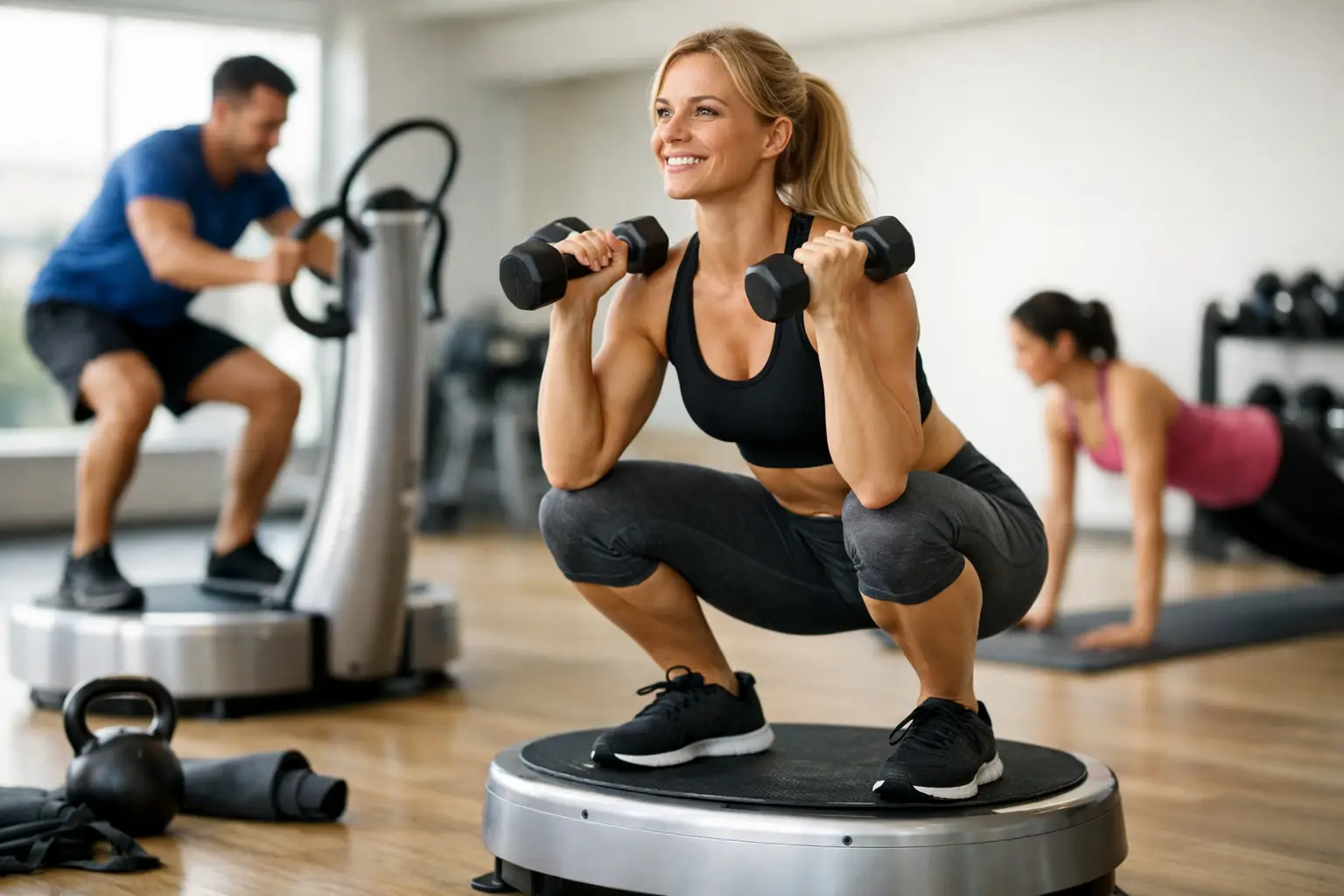
A great workout does not have to mean beating your body up. Power Plate training benefits come from adding controlled vibration to familiar movements like squats, planks, lunges, stretches, and recovery positions. The platform creates rapid vibrations beneath your feet or hands, asking your muscles to respond and stabilize while you move. It is a short, focused way to bring more intention to your strength, balance, and mobility work.
At Warrior 1 Yoga, we love training that feels effective, approachable, and a little outside the usual gym routine. Vibration training can meet you where you are, whether you are building a stronger foundation, adding variety to your fitness week, or giving tired muscles a smart recovery session. The key is to treat the plate as a training tool, not a magic shortcut.
Power Plate Training Benefits for Real-World Strength
A vibration platform sends small, rapid movements through the body. Your muscles react by making quick adjustments to keep you stable. That means a basic position can demand more focus than it does on solid ground.
1. More muscle engagement in simple movements
A bodyweight squat, wall sit, or high plank may look simple, but the vibration adds a new stability challenge. Your legs, glutes, core, shoulders, and smaller supporting muscles have to stay active to hold good alignment. For people who get bored with repetitive strength workouts, this can make familiar exercises feel fresh without immediately adding heavy weights.
That does not mean five minutes on a plate replaces a full strength program. Progressive resistance, good technique, and consistency still drive long-term muscle and strength gains. Think of vibration work as a powerful accessory: a way to add challenge to a movement pattern, sharpen body awareness, or create a productive session when time is tight.
2. Better balance and body control
Balance is not just for yoga poses. It matters when you step off a curb, carry groceries, change direction in a workout, or keep your knees tracking well during a lunge. Because the plate is constantly creating a small disturbance, you have to notice where your weight is shifting and correct it.
That can be especially useful for beginners learning how to control their body, as well as experienced athletes who want to clean up their mechanics. Start with both feet planted, a soft bend in the knees, and a tall posture. Single-leg work can come later, once you can stay steady without gripping your toes or collapsing into one hip.
3. A core challenge that is not all crunches
Your core is designed to help you resist unwanted movement. On a vibration plate, that job becomes obvious. During a plank with your forearms or hands on the platform, your abs, back, hips, and shoulder stabilizers work together to keep your body long and controlled.
The win is quality, not the longest possible hold. A 20-second plank with steady breathing and a level pelvis is far more useful than a shaky minute with your low back sagging. The vibration can make you aware of compensations you might miss on the floor, which is valuable information for any workout style from yoga sculpt to kickboxing.
4. Support for mobility and warm-ups
Power Plate training can fit beautifully before a heated class, a strength session, or a long day at a desk. Gentle calf stretches, hip-opening positions, and supported squats on the platform may help you feel more prepared to move. The vibration and light movement can also make a warm-up feel more engaging than standing around waiting for your body to wake up.
Mobility is not about forcing a bigger range of motion. Stay in a position you can control, breathe normally, and avoid bouncing or pushing into pain. If your hamstrings are tight, for example, use a soft knee bend and work gradually rather than chasing a dramatic stretch. Your body will respond better to consistency than intensity for intensity’s sake.
Power Plate Training Benefits for Recovery and Workout Variety
Hard workouts are only one part of feeling strong. Recovery, circulation, stress relief, and enough variety to keep showing up all matter too. This is where vibration training can earn a regular spot in your routine.
5. A low-impact option for active recovery
After a sweaty class, a heavy leg day, or a week that has your body feeling stiff, a lighter Power Plate session can be a welcome change of pace. Gentle positions, easy squats, and controlled stretching let you move without asking for maximal effort. Some people find the experience helps them feel less tight and more ready for their next workout.
Recovery is personal, though. If a position feels irritating, dizzying, or overly intense, step off and adjust. Hydration, sleep, food, and managing overall training volume still matter far more than any single recovery tool. The plate can support your routine, but it cannot make up for running yourself into the ground.
6. Efficient sessions for busy schedules
Bakersfield life gets busy. Between work, family, errands, and trying to protect a little time for yourself, a workout needs to feel worth the effort. Because vibration training can make basic exercises more demanding, it works well in short, focused blocks.
Try alternating 30 to 45 seconds of controlled work with a short rest: a squat hold, a plank variation, a glute bridge with feet on the platform, then a mobility drill. The right format depends on your fitness level and goals. A newer participant may need more rest and simpler positions, while someone with a solid training base can combine vibration work with dumbbells, bands, or athletic bodyweight movements.
7. A fun way to stay consistent
The best workout is rarely the one with the fanciest plan. It is the one you will actually return to. A Power Plate changes the feel of training quickly, and that novelty can bring fresh energy to a routine that has gone stale.
Use it as one piece of a balanced week. Pair it with yoga for flexibility and breath, cardio for endurance, strength training for muscle and bone health, and restorative movement when your nervous system needs a reset. Variety keeps your body challenged, but it also keeps fitness from feeling like another chore on your calendar.
How to Get More From Your Power Plate Session
Start small. Keep your knees slightly bent when standing on the platform, maintain a relaxed jaw and shoulders, and prioritize alignment over speed. Most movements should feel controlled rather than chaotic. If the vibration makes it hard to stay in position, lower the intensity, shorten the interval, or choose a more stable exercise.
A few coaching cues go a long way. In a squat, press through your whole foot and let your knees track in the same direction as your toes. In a plank, push the floor away and keep your ribs from flaring. In a stretch, use enough support that you can breathe without bracing. Those details turn a gadget into useful training.
Power Plate sessions are not right for every body or every day. Check with a qualified medical professional before using vibration training if you are pregnant, have a pacemaker or implanted device, have a recent fracture or surgery, are managing a serious cardiovascular condition, or have a health concern that could be affected by vibration. Tell your instructor about injuries, pain, or limitations so they can help you choose appropriate modifications.
There is no prize for going hardest on the first round. Step onto the plate with curiosity, learn what steady and strong feels like, and let that confidence carry into every class, every workout, and every part of your Warrior life.