
Is a 200 Hour Yoga Certification Right for You?
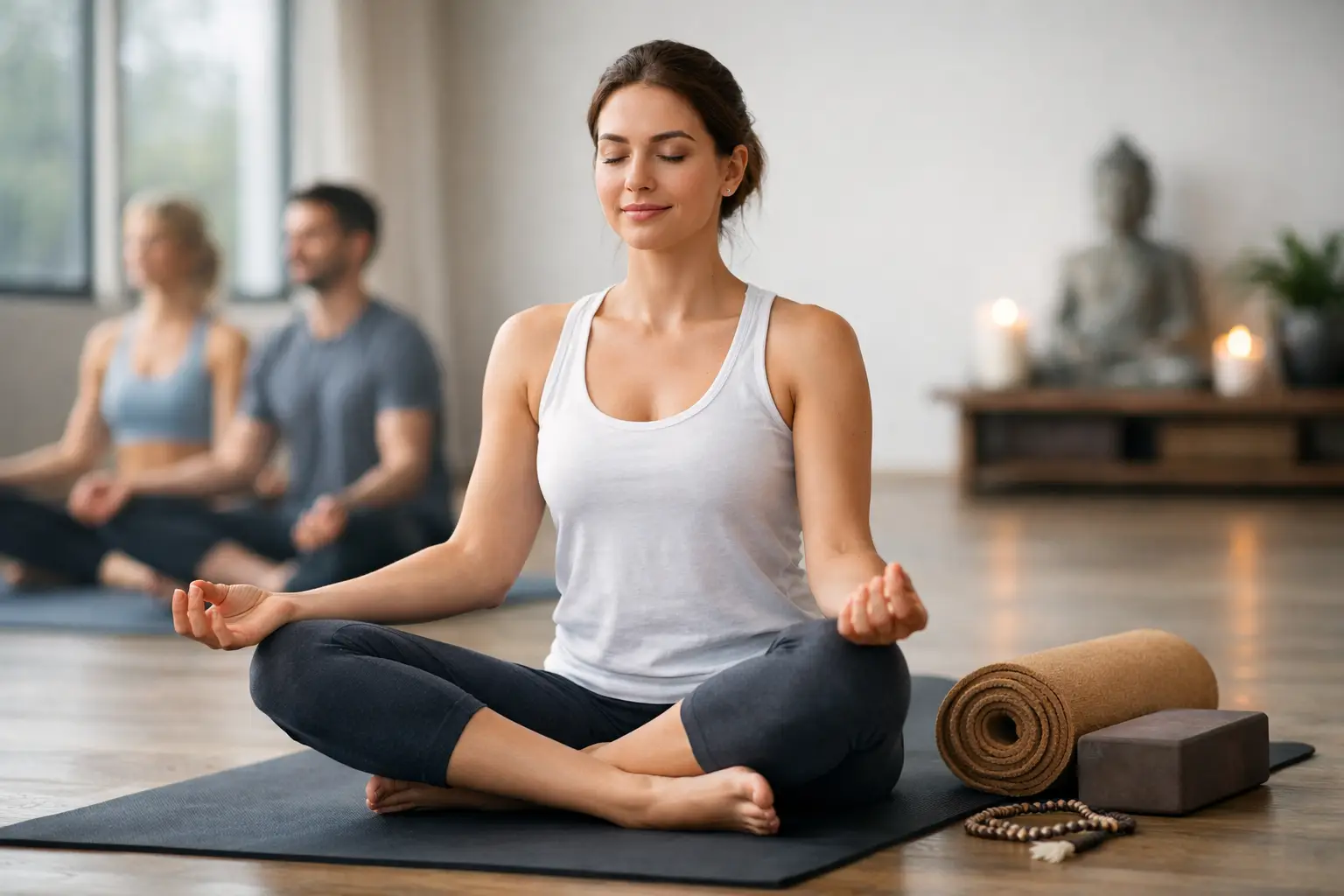
You do not need to be able to handstand, touch your toes, or have a picture-perfect yoga practice to start a 200 hour yoga certification. You do need curiosity, consistency, and the willingness to be a beginner again. Teacher training can be sweaty, challenging, emotional, empowering, and a whole lot more personal than most people expect.
For some students, it is the next step toward leading classes. For others, it is a powerful reset that deepens their movement, confidence, and connection to their own body. Either reason is valid. The real question is whether you are ready to show up for the work.
What a 200 Hour Yoga Certification Actually Is
A 200-hour program is the foundational level of yoga teacher training. It is designed to build the knowledge and practical skills needed to teach safe, thoughtful group yoga classes. Depending on the school, completing an approved program may also allow graduates to register with a professional yoga registry, but the certificate itself is not a magic ticket to instant teaching opportunities.
Think of it as learning the difference between taking a great class and creating one. As a student, you follow the sequence, feel the music, move with the room, and let your instructor hold the bigger picture. As a teacher, you learn to read bodies, offer options, manage timing, cue clearly, create a welcoming atmosphere, and keep safety at the center of every class.
That is a big shift. It is also where the growth happens.
What You Will Learn in Teacher Training
A strong program gives you more than a stack of poses to memorize. You will spend time practicing, studying, observing, and teaching. Expect the curriculum to include anatomy, alignment, yoga philosophy, sequencing, breathwork, and teaching methodology.
Anatomy is especially useful because it helps you understand what bodies are doing in common shapes. You will learn why one person may feel amazing in a deep lunge while another needs blocks, a shorter stance, or a completely different option. Good teaching is not about pushing everyone into the same pose. It is about helping people move with awareness and agency.
You will also learn how to sequence. That means building a class with a clear beginning, middle, and finish instead of tossing together your favorite poses. A smart sequence prepares the body for bigger movements, balances effort with recovery, and gives students a reason to come back next week.
Teaching practice can feel intimidating at first. You may stumble over your words, lose your place, or realize that cueing right and left is harder than it looks. Keep going. The ability to lead a room is built rep by rep, just like strength, balance, and flexibility.
Is a 200 Hour Yoga Certification Only for Future Teachers?
Not at all. Plenty of people enroll with no intention of teaching. They want to understand their practice, build healthier movement habits, and spend meaningful time in a supportive community. Training can be a great fit for the person who always asks why a pose feels different on each side, the athlete who wants better mobility, or the busy parent who wants a more grounded relationship with stress.
That said, do not sign up expecting every day to feel like a relaxing yoga class. There is reading, note-taking, self-reflection, practice teaching, and feedback. Some weekends may leave you energized. Others may leave you mentally full. The commitment is real, especially if you are balancing work, family, and regular life.
If your goal is to teach, training gives you a foundation, not a finished product. Your voice develops through experience. You will keep learning after graduation, whether you teach gentle beginner classes, powerful heated flows, restorative sessions, yoga sculpt, or another movement format.
How to Choose the Right 200 Hour Yoga Certification
The right program depends on the kind of teacher you want to become and the environment where you learn best. Start by looking beyond the schedule and the price. A lower-cost training may work beautifully if it has qualified mentors, clear expectations, and plenty of live teaching practice. A more expensive training is not automatically better if it leaves you with little individual feedback.
Ask how much time is devoted to actual practice teaching. Reading about cueing is helpful, but leading real people through movement is where the lesson sticks. Find out whether trainees receive feedback, whether the group is small enough for instructors to know your name, and whether the faculty has experience teaching the types of classes that interest you.
It also helps to look at the program’s movement style. If you love athletic, music-driven heated classes, a training centered only on quiet, long-held postures may not match your future goals. On the other hand, studying a style outside your comfort zone can make you a more adaptable teacher. It depends on whether you are looking for specialization or a broad foundation.
Before you commit, consider these practical questions:
- Does the schedule realistically fit your work, family, and recovery needs?
- Are the instructors clear about curriculum, attendance, tuition, and graduation requirements?
- Will you learn modifications for beginners, injuries, pregnancy, and different body types?
- Is there support after graduation, such as mentorship, auditions, or opportunities to observe classes?
A strong training should make you feel challenged and supported, not pressured to perform a version of yoga that does not feel like you.
Heated Yoga Training Has Its Own Considerations
If you hope to teach hot yoga or heated fitness-based formats, look for training that addresses the realities of heat. Heat can feel incredible: muscles may feel more open, sweat can be motivating, and a warm room can create that focused, get-it-done energy. But heat is not a shortcut to flexibility, and it is not right for every student on every day.
Teachers need to recognize signs that someone needs a break, water, or a cooler option. They need to normalize rest without making students feel like they failed. They also need to cue responsibly, especially in deeper stretches where a warm body may be tempted to go farther than its joints can safely support.
At Warrior 1 Yoga, the energy of heat, music, strength, and community is part of what makes movement feel fun instead of intimidating. The best instructors bring that fire while still giving every student permission to modify, breathe, and make the practice their own.
What Changes After Teacher Training
The biggest changes are often not the ones people expect. Yes, you may gain confidence speaking in front of a group. You may learn how to build a class, explain a pose, and help a nervous first-timer feel welcome. But you may also become less attached to doing every pose perfectly.
Training teaches you that yoga is not a performance. A student in child’s pose is still practicing. A person using blocks is not behind. Someone who comes to class for stress relief rather than a workout belongs just as much as the athlete chasing a challenge.
This perspective makes better teachers and often kinder humans. It can also change the way you approach your own fitness. You may start noticing when your body wants intensity and when it needs mobility, recovery, or rest.
Make the Decision Like a Warrior
A 200-hour training asks for your time, attention, money, and energy. It should. You are learning to guide people through something personal: their breath, their bodies, their confidence, and sometimes their hard days.
Do not wait until you feel completely ready, because most people never do. Instead, choose a program that feels aligned, make room for the commitment, and arrive willing to learn. The first time you guide someone into a shape they thought they could not do, or help them feel at home in a room full of movement, you will understand why the work matters.