
How to Become a Yoga Teacher and Build Your Voice
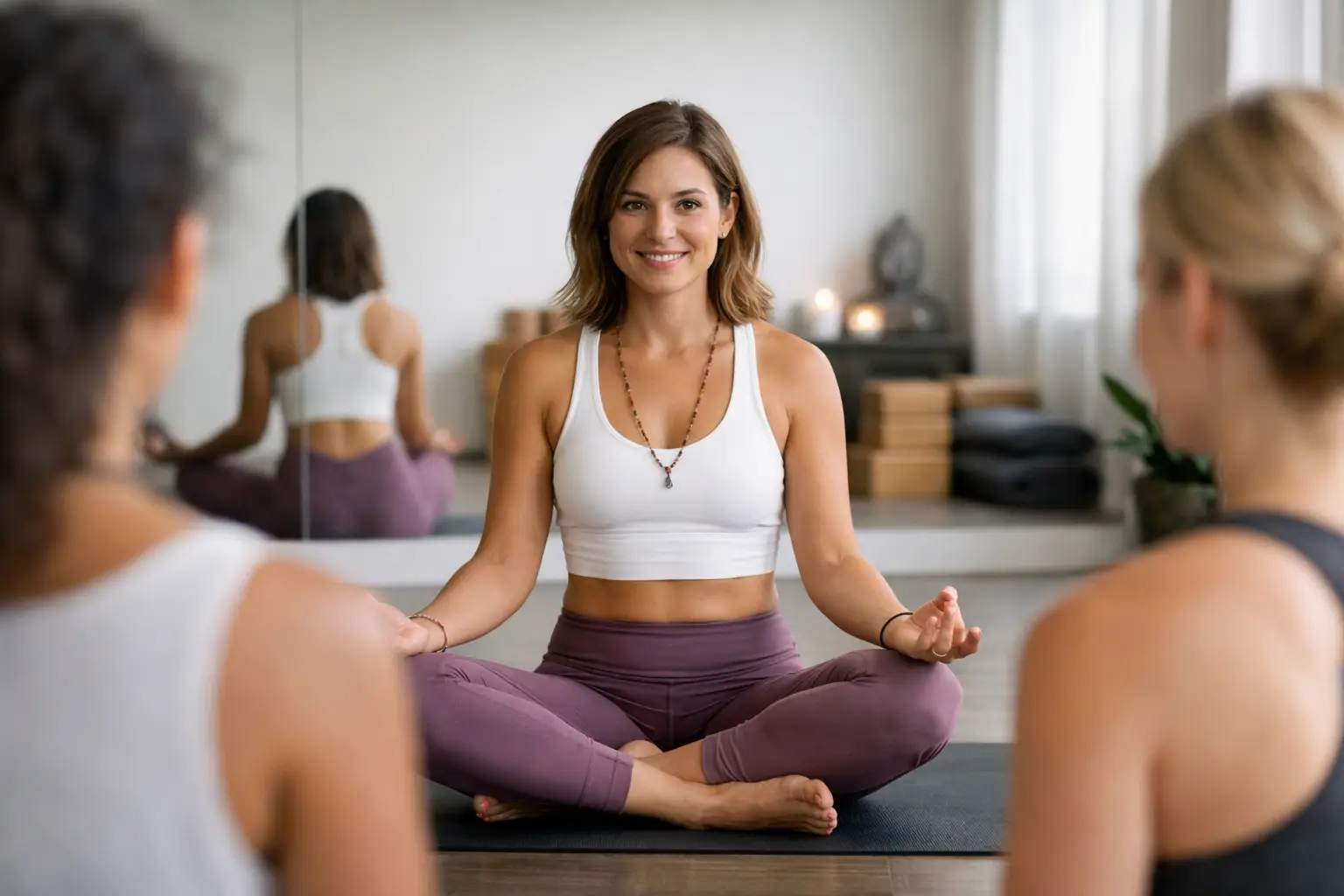
You do not need a perfect handstand, a whisper-soft voice, or years of chanting experience to teach yoga. If you are wondering how to become a yoga teacher, start with what already pulls you to the mat: the way movement changes your mood, the confidence you feel after a tough class, and the desire to help other people feel stronger in their own bodies. Great teachers are not performers. They are prepared, present, and able to make a room full of different people feel like they belong.
For many future instructors, the real shift happens when yoga becomes more than a workout. Maybe a heated flow helped you manage stress. Maybe yoga sculpt made strength training feel fun again. Maybe you walked into class as a beginner and found a community that kept you coming back. That experience matters. Teaching gives you a chance to create it for someone else.
How to Become a Yoga Teacher Starts With Your Practice
Before you sign up for training, build a consistent practice that gives you firsthand experience with different styles, teachers, and class environments. Consistency matters more than intensity. Taking three or four classes each week over time will teach you more about pacing, cueing, class energy, and modifications than trying to cram every style into one month.
Choose classes that challenge your assumptions. If you love a sweaty power flow, take a restorative class and notice how the teacher creates calm without losing the room. If you usually choose beginner yoga, try a faster-paced flow when you are ready and pay attention to transitions, breath cues, and how the instructor offers options. You are not looking for one right way to teach. You are building a bigger tool kit.
Your own practice also needs honesty. Notice which poses feel stable and which ones bring up frustration, tightness, or fear. A teacher who understands what it is like to struggle with balance or mobility can offer better choices than someone who teaches only from their easiest shapes. Students do not need you to be flawless. They need you to be observant, encouraging, and safe.
Choose a Yoga Teacher Training That Fits Your Goals
A 200-hour yoga teacher training is the common starting point for new instructors. It usually covers foundational yoga postures, anatomy, alignment principles, sequencing, philosophy, breathwork, teaching practice, and ethics. Completing a 200-hour program does not mean you know everything about yoga. It means you have a structured foundation and supervised practice to begin teaching responsibly.
Not every training has the same personality, so look beyond the hour count. Some programs lean heavily into traditional philosophy and long-held postures. Others are designed around vinyasa, power yoga, heated classes, functional movement, or a modern fitness approach. Neither path is automatically better. The right one depends on the kind of classes you want to lead and the people you want to serve.
Ask practical questions before enrolling. How much in-person teaching practice is included? Who gives feedback on your cues and sequencing? Does the curriculum cover injury awareness and modifications? Are you learning to teach beginners, not just other flexible trainees? What is the total cost, including books, workshops, and missed-session policies?
Yoga Alliance registration is often discussed during training. In the United States, registration is generally voluntary rather than a legal requirement to teach, but some studios may prefer or require it. More important than a logo on a resume is receiving high-quality education, practicing under experienced teachers, and understanding the expectations of the studios where you hope to work.
Learn to Teach the Person in Front of You
The biggest difference between taking yoga and teaching yoga is attention. As a student, you can focus on your own breath, your own sweat, and whether your hamstrings are cooperating. As a teacher, you are responsible for the whole room.
That means learning to scan without staring, cue without overtalking, and offer choices without making anyone feel singled out. A strong cue tells students what to do, where to feel it, and how to adjust if the first option does not work. Instead of pushing every body into the deepest version of a pose, give a clear path: bend the knees, use blocks, shorten the stance, take a child’s pose, or stay with the breath.
Safety is not about making class timid. It is about helping students work hard with awareness. Learn basic anatomy, understand common movement limitations, and know when not to diagnose an injury. Encourage students to seek appropriate medical guidance when pain is sharp, persistent, or unfamiliar. Your job is to coach movement, not play doctor.
For heated yoga, this awareness becomes even more important. Heat can feel amazing, but it can also make people believe they are more mobile than they can safely control. Build in hydration reminders, normalize rest, and make it clear that stepping out of the room is always an acceptable choice. The best heated class is challenging because it is smart, not because it leaves people feeling wrecked.
Practice Your Voice Before You Need It
Most new teachers worry about forgetting the sequence. That happens, and it is survivable. What matters is how you recover. Students will follow a teacher who stays calm, gives a simple next instruction, and keeps the class moving.
Practice teaching out loud before your first real class. Teach a short sequence to a friend, record yourself, or talk through a flow in an empty room. You will quickly hear the phrases you repeat, the places where your directions get confusing, and the moments when you rush. Your teaching voice does not have to sound like anyone else’s. It should sound clear, warm, and confident enough to carry over music and movement.
Start with simple sequencing. A class does not need 40 creative transitions to feel powerful. A well-built flow has a purpose, a logical warmup, enough repetition for students to learn the pattern, and a finish that lets the body settle. When you can teach a straightforward class well, you can add complexity with intention instead of adding it for show.
Get Real Experience, One Class at a Time
After training, look for opportunities to assist, sub, co-teach, or lead a small community class. These early experiences are where your skills become real. You will learn how to welcome a late arrival without derailing the room, adjust a sequence when the class has mixed experience levels, and keep your energy steady when only six people show up.
Be professional from day one. Arrive early, know the studio’s format, prepare your playlist if music is part of the class, and have a backup plan if technology fails. Carry current CPR certification if a studio requests it, understand any insurance expectations, and respect the boundaries around hands-on assists. Consent should always be clear, and verbal coaching is often all a student needs.
Feedback can sting, especially when you care deeply about teaching. Take it as information, not a verdict on your potential. If students say they could not hear you, speak up. If a mentor says your transitions were rushed, simplify them. Every adjustment makes your next class stronger.
Build a Teaching Style That Feels Like You
You do not have to choose between yoga and fitness if both are part of your story. Many students want mobility, strength, stress relief, sweat, and a room that feels alive. You can teach with upbeat music, athletic sequencing, and serious attention to breath and form. You can make a class fun without making it careless.
Your niche may become clear quickly, or it may take time. Some teachers thrive in beginner classes because they love breaking down the basics. Others come alive in heated power flow, yoga sculpt, restorative work, or strength-based formats. Let your strengths develop through experience, not pressure. The goal is not to copy the loudest teacher in the room. The goal is to become the teacher your students trust.
At Warrior 1 Yoga, that can mean bringing the heat, the music, the encouragement, and the reminder that every Warrior started somewhere. The room does not need another polished social media pose. It needs a leader who can help people move, laugh, sweat, and leave more capable than when they walked in.
Your first class may feel equal parts exciting and terrifying. Teach it anyway. Prepare well, choose a simple sequence, greet every person who walks in, and remember that confidence is built after you begin – not before.