
8 Best Stress Relief Workouts for Real Life
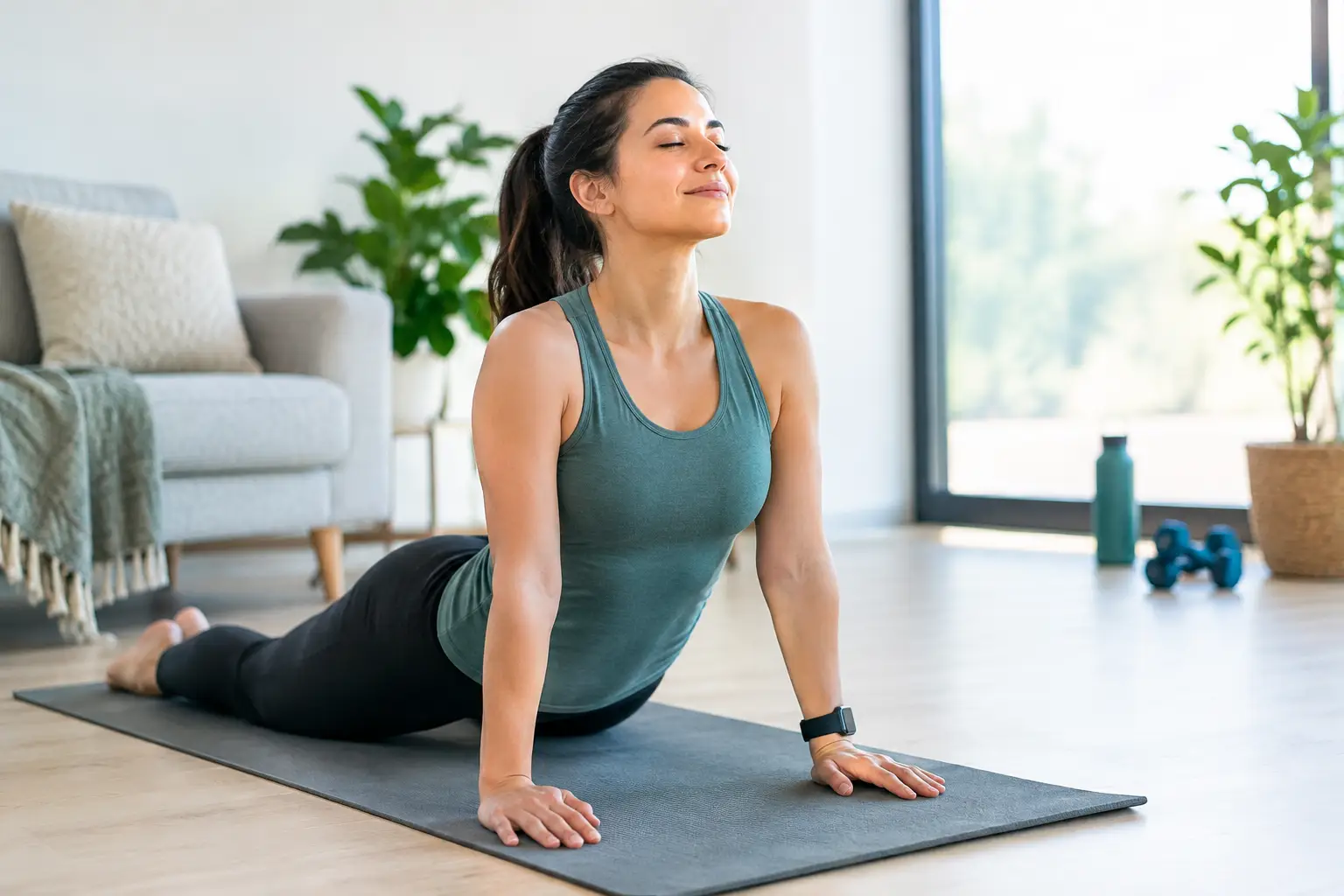
Your shoulders are parked by your ears, your inbox is still buzzing in your head, and somehow a couch scroll has not made you feel better. That is the moment the best stress relief workouts earn their place in your week. The right class gives your body somewhere to put all that pent-up energy, then helps your mind come back down.
Stress does not look the same for everyone. Some days you need to sweat hard, turn up the music, and punch through a bad mood. Other days, your nervous system is asking for slower movement, longer stretches, and a little breathing room. The goal is not to force yourself through the toughest workout possible. It is to choose movement that leaves you feeling more like yourself when class is over.
What Makes a Workout Good for Stress Relief?
A stress-relieving workout usually does at least one of two things: it helps discharge restless physical energy, or it creates enough calm and focus for your body to shift out of high alert. The sweet spot is often both. You move with purpose, breathe a little deeper, and finish with a clear head instead of another item checked off a list.
Consistency matters more than finding one magical format. A 45-minute class you actually look forward to twice a week will usually do more for your stress than an intense routine you dread and quit after ten days. Consider your schedule, current fitness level, sleep, and what kind of stress you are carrying before you choose.
1. Heated Yoga Flow for a Full-Body Reset
Heated yoga flow is a powerful answer when stress has you feeling stiff, distracted, and disconnected from your body. The combination of breath-led movement, flowing sequences, and a warm room asks you to pay attention to the present moment. There is not much room to replay a tense meeting when you are balancing, twisting, and moving with your breath.
The heat can make muscles feel more ready to move, while the flow builds strength, mobility, and a satisfying sweat. It is a great fit for people who want stress relief without giving up the feeling that they got a real workout.
Come hydrated, arrive a few minutes early, and give yourself permission to take breaks. More heat is not automatically better. If you are new to heated classes, pregnant, managing a medical condition, or sensitive to heat, check with a healthcare professional and start with a beginner-friendly option.
2. Restorative Yoga When You Are Running on Empty
Not all stress needs to be outrun. When your sleep has been off, your body feels heavy, or you are mentally maxed out, restorative yoga can be the smarter choice. Supported poses held for longer periods give tight hips, shoulders, and backs a chance to soften without demanding a big output.
This is not a lazy workout. It is intentional recovery. Restorative practice can help you slow your breathing, ease the urge to rush, and practice stillness in a way that many busy adults rarely get during a normal week.
Choose this format when your stress feels like exhaustion rather than agitation. You may not leave drenched in sweat, but you can leave with something just as valuable: enough space to recover and show up better tomorrow.
3. Kickboxing for the Days You Need to Hit Something
There are days when a quiet stretch is not going to cut it. Kickboxing channels frustration into footwork, combinations, core engagement, and controlled power. Hitting a bag or throwing punches into the air can feel incredibly satisfying after hours spent being polite, productive, and pressed for time.
The stress-relief benefit is not just emotional release. Kickboxing requires coordination and attention, which can interrupt spiraling thoughts. You have to focus on the next jab, cross, knee, or squat instead of the conversation you keep replaying.
Good coaching matters here. The goal is strong, safe movement – not wild swings fueled by frustration. Keep your wrists aligned, pace yourself, and treat technique as part of the workout. You will feel more powerful without beating up your joints.
4. HIIT for a Quick Mood Shift
High-intensity interval training can be one of the best stress relief workouts when you have a lot of energy and not much time. Short rounds of cardio and strength work create a clear mission: work, recover, repeat. That structure can be a relief when the rest of your day feels scattered.
HIIT is especially useful for the person who says, “I just need to sweat.” A focused class can turn a tense 30 or 45 minutes into a major mental reset. The catch is recovery. If work stress has already wrecked your sleep and you feel constantly wired, piling all-out HIIT on top of that can leave you more drained.
Use HIIT as a tool, not a punishment. Keep at least some workouts moderate or restorative during high-stress weeks, and do not confuse exhaustion with progress.
5. Yoga Sculpt for Stress Relief With Strength
Yoga sculpt blends familiar yoga-inspired movement with resistance training and cardio bursts. It works well for anyone who wants the grounding effect of yoga but gets energized by weights, music, and a faster pace.
Building strength can be a major confidence boost when life feels out of control. There is something reassuring about realizing you can hold the plank a little longer, finish another set, or choose a heavier weight than last month. That progress carries outside the studio.
Because sculpt can be demanding, choose weights that let you move with control. The win is leaving stronger and steadier, not competing with the person on the mat beside you.
6. Barre-Inspired Work for Focused, Low-Impact Burn
Barre-inspired classes bring small, controlled movements, balance work, and serious muscle endurance. They are a solid option when you want a challenge without the jumping and pounding of higher-impact cardio.
The precision is part of the stress relief. Tiny pulses and holds demand concentration, pulling your attention away from the mental tabs left open all day. Expect shaking legs, stronger posture, and a surprising amount of core work.
Barre may be a better fit than HIIT if your joints need a break or you prefer controlled intensity. It can still be tough – just tough in a different way.
7. Dance Cardio for a Happier Kind of Sweat
Sometimes the best workout for stress is the one that gets you out of your head and into a good song. Dance-based cardio, including Zumba-style movement, trades perfection for participation. You follow the beat, laugh when you miss a step, and keep moving.
That playful energy matters. Stress often makes people isolate themselves or take everything too seriously. A music-driven class adds a social, feel-good element that can make exercise feel less like another obligation.
You do not need dance experience. Show up, take the modifications, and let the rhythm do some of the work. The person having the most fun is usually doing it right.
8. Power Plate Training for a Short, Supported Session
Power Plate vibration training can add a different kind of challenge to strength, balance, and mobility work. Depending on the session, it may support a quick workout when time is tight or complement your usual training with guided, controlled exercises.
It is not a replacement for every form of movement, and it is not the right choice for every body or health history. But for people who want variety, targeted muscular work, and a structured session without a long workout, it can be a useful part of a stress-management routine.
How to Build a Stress-Relief Routine You Will Keep
Think less about finding one perfect class and more about creating options. Keep one high-energy class in your routine for days when you need a hard reset, one strength-focused class for confidence, and one slower class for recovery. That flexibility makes it easier to keep moving when life changes.
For example, a busy week might include a heated yoga flow on Monday, kickboxing on Wednesday, and restorative yoga by the weekend. Another week, you may trade kickboxing for barre or dance cardio because your knees are tired or your brain needs more fun. Listening to your body is not backing off. It is smart training.
At Warrior 1 Yoga, the mix of heat, music, strength, cardio, and beginner-friendly options makes it easier to match the class to the day you are having. Schedule it like any other appointment, bring water, and let the room full of fellow Warriors handle some of the accountability.
The next time stress starts living in your jaw, shoulders, or racing thoughts, do not wait until you feel perfectly motivated. Pick the workout that meets you where you are, walk through the door, and give yourself one hour to move the pressure out.