
Learn Kickboxing Combinations That Hit Hard
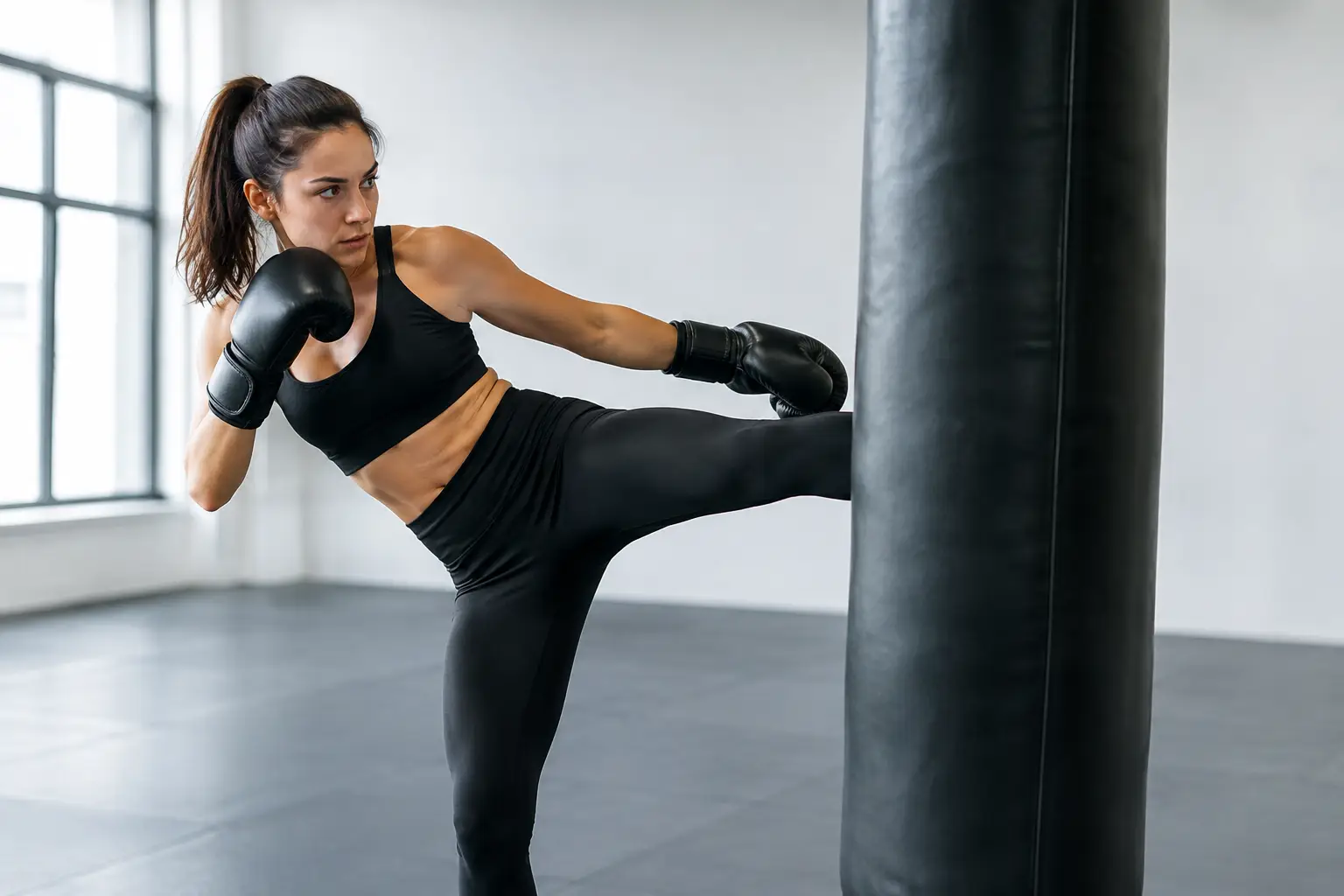
The moment the music turns up and the first round starts, there is no room to overthink every move. You just move, sweat, and let your confidence build rep by rep. If you want to learn kickboxing combinations, start by understanding that power is not about throwing punches as fast as possible. It comes from balance, clean technique, breathing, and knowing what comes next.
Kickboxing is a serious calorie-burning workout, but it is also a powerful way to shake off stress after a long day. You do not need a fighting background, perfect coordination, or a tough-guy attitude to get started. You need a willingness to try, a coach who can cue the details, and a few go-to combinations that make you feel strong from round one.
Why Kickboxing Combinations Work
A combination is a sequence of strikes that flows together. Instead of throwing one punch, pausing, and deciding what to do next, you connect movements with purpose. That keeps your heart rate up, challenges your brain, and gives your workout a rhythm that feels way more exciting than counting reps on a machine.
The best combinations for fitness classes also work your whole body. Your legs create the base, your core transfers energy, your shoulders and arms deliver the punches, and your balance gets tested every time you add a kick or knee. When your technique is clean, a short combination can leave you breathless in the best way.
There is a trade-off, though. Longer combinations can feel fun and flashy, but they are not always better for beginners. A sharp two- or three-strike sequence done with control will build more confidence than a complicated eight-count combo that makes you lose your stance. Start simple, then earn the speed.
Learn Kickboxing Combinations From the Ground Up
Before you worry about hitting hard, build a strong position. Stand with one foot slightly forward, knees soft, hands up near your face, and elbows relaxed toward your ribs. If you are right-handed, many classes will have you lead with your left foot. If you are left-handed, the opposite stance may feel more natural. Your instructor can help you find what feels stable.
Keep Your Hands Home
Your guard matters between every strike. After a jab or cross, bring your hand back to your face instead of letting it hang by your side. This creates a cleaner rhythm and keeps your upper body engaged. Think punch, return, punch, return.
Turn Your Hips, Not Just Your Arms
A cross is more than an arm reaching forward. Let your back hip and back foot rotate as the punch travels out, then reset. The same idea applies to kicks. Your standing foot pivots, your hips turn, and your core stays braced. That is where controlled power comes from.
Exhale on Every Strike
A quick exhale helps you stay connected to your core and prevents you from holding your breath through the round. It can be quiet, but it should be intentional. Breathe out on the punch, kick, or knee, then keep moving.
Five Beginner-Friendly Kickboxing Combinations
Use these combinations as your foundation. Practice them slowly first, especially if the footwork is new. Once the pattern feels natural, add speed, power, and that Warrior energy.
- Jab-cross: The jab is your front-hand punch. The cross follows with your rear hand and a small hip turn. This is the classic one-two, and it is the combination you will come back to again and again. Keep your chin relaxed, eyes forward, and hands returning to guard.
- Jab-cross-hook: Add a lead hook after your one-two. Your hook travels in a compact arc, powered by a turn through your lead foot and hip. Do not swing your arm wide. Keep it tight, controlled, and connected to your body.
- Jab-cross-front knee: After the cross, drive your rear knee forward while staying tall through your chest. This combination challenges balance and gets your core working fast. If you feel wobbly, slow down and reset your stance after the cross before adding the knee.
- Jab-cross-rear kick: Throw your jab and cross, then use your rear leg for a round kick. Pivot the standing foot and turn your hip through the strike. In a fitness-based class, you can keep the kick low at first. Height is not the goal. Control is.
- Cross-hook-cross-rear knee: This one adds intensity without making the pattern too complicated. Start with the rear hand, rotate into the lead hook, return to the rear cross, then finish with a rear knee. It is a great option when you want to feel powerful and push your cardio.
Make the Combinations Feel Natural
The secret is not memorizing a giant catalog of moves. It is practicing transitions. Notice where your weight goes after each strike. After a cross, are you balanced enough to throw a knee? After a hook, are your hands back up before the next punch? Those little details make your movement smoother and safer.
Try working in short rounds. Give yourself 30 seconds to repeat one combination with clean form, then take a brief recovery. On the next round, keep the same pattern but add a little more speed. This format lets you improve without turning technique into a blur.
Shadowboxing is useful too. No bag or gloves required. Stand in front of a mirror, give yourself space, and move through the combinations at half speed. You will quickly spot whether your hands drop, your shoulders tighten, or your feet stop moving. Then take that awareness into class.
At Warrior 1 Yoga, the energy of a group kickboxing workout can make the learning process a lot more fun. The music, coaching, and people around you help turn a challenging round into something you want to come back for. You are not expected to know everything before you walk in. That is what class is for.
When to Slow Down and Reset
Fast is fun, but form comes first. If your shoulders are creeping toward your ears, your lower back is twisting, or you are losing your balance after every kick, bring the tempo down. A strong stance and a clean reset will do more for your progress than forcing another rushed round.
You should also adjust based on your body that day. Lower-impact options are still real training. Skip the jump, shorten the kick, or keep your knee drive smaller if you need to. Consistency wins here. Showing up and moving well will always beat going all-out once and needing a week to recover.
The goal is to leave class sweaty, proud, and more capable than when you walked in. Pick one combination before your next workout, own it at your pace, and let every clean rep remind you: you are building a stronger Warrior.