Wellness Technology That Supports Real Results
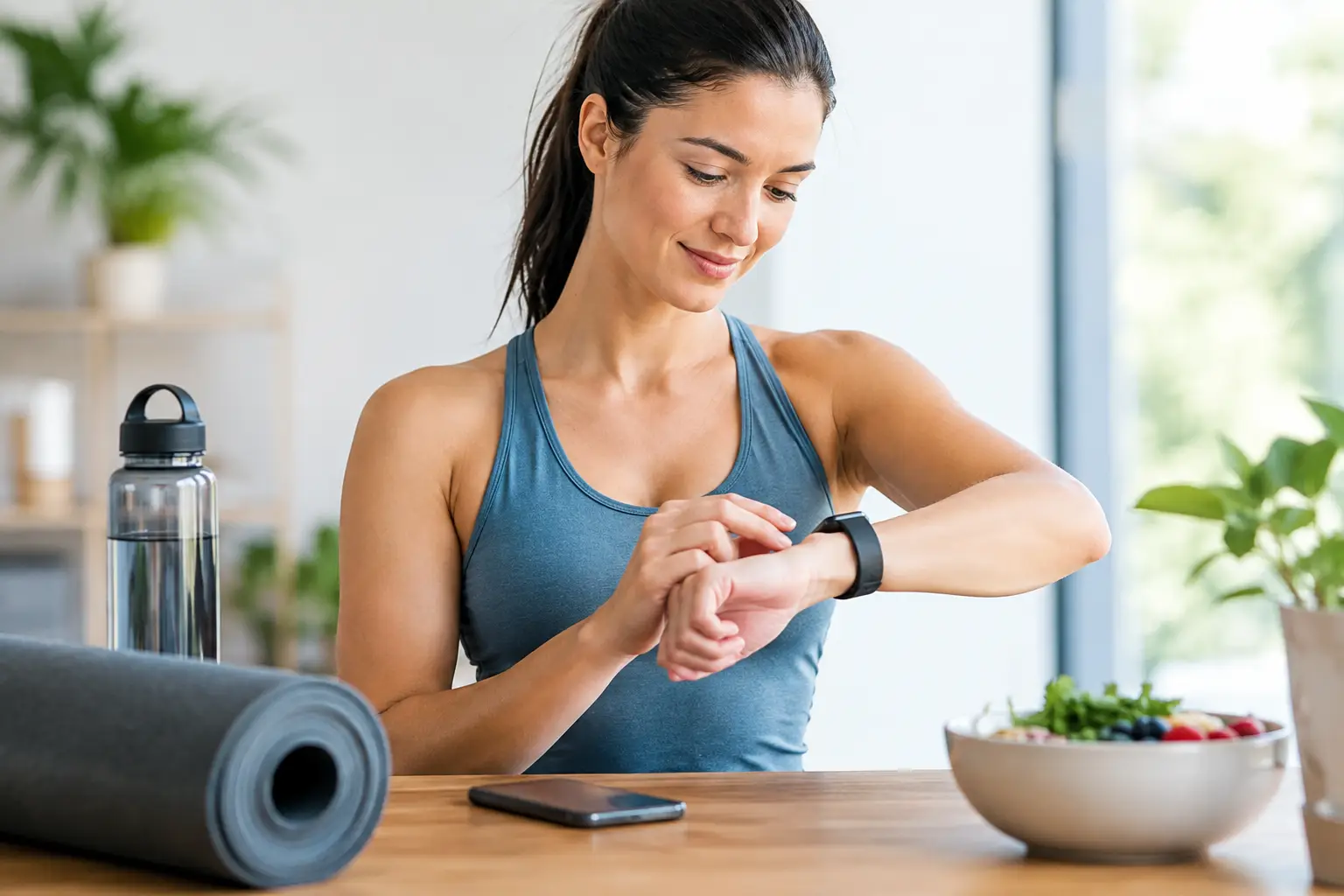
Your watch says you slept 6 hours. Your phone reminds you to drink water. Your favorite playlist is ready. Great. Now comes the part no screen can do for you: show up, move your body, sweat a little, and give yourself a real break from the noise. Wellness technology can be a powerful tool, but it works best when it supports a routine you can actually stick with.
For busy Bakersfield adults, that distinction matters. The goal is not to collect more data or buy another device that ends up in a drawer. The goal is to feel stronger in your workouts, more mobile in your everyday life, less stressed after a long week, and more connected to a community that keeps you coming back.
What wellness technology is really for
Wellness technology includes the apps, wearables, equipment, and tracking tools designed to help you move, recover, sleep, or build healthier habits. That can mean a smartwatch that records heart rate, a studio booking app that puts your next class on the calendar, a vibration platform used as part of a training plan, or a recovery tool that helps you pay closer attention to how your body feels.
The best technology reduces friction. It makes it easier to plan a workout, understand your effort, or follow through on a commitment. It should not make wellness feel like another full-time job.
That is especially true if you are already juggling work, kids, commutes, errands, and a calendar that looks like a game of Tetris. A simple reminder to book a class can be more valuable than a complicated dashboard full of numbers you never use. Consistency wins because it creates momentum. Momentum is where transformation starts.
The tools that can strengthen your routine
Wearables: useful feedback, not a report card
Fitness watches and heart-rate monitors can help you notice patterns. Maybe your heart rate climbs faster in a cardio class than you expected. Maybe you recover well after a strength-focused session but feel drained when you stack hard workouts without enough rest. That feedback can help you pace yourself and build a smarter weekly schedule.
But a wearable cannot measure everything that matters. It does not know that a class made you laugh after a rough day, that your shoulders finally feel less tight, or that you walked into a room feeling intimidated and left feeling like a Warrior. Numbers are information, not a grade.
Use your device to get curious, not critical. If tracking calories motivates you, great. If it makes you feel like every workout has to earn its worth, take a step back. A restorative class, a mobility session, or an easy walk may not light up your activity rings, but those choices can still move your health forward.
Booking apps: accountability in your pocket
A scheduled class is one of the simplest forms of wellness technology, and it may be one of the most effective. When your workout has a time, a spot, and an instructor expecting you, it stops being a vague intention. It becomes an appointment with yourself.
App-based scheduling also makes variety easier. You might choose hot yoga flow on Monday, yoga sculpt on Wednesday, kickboxing when you need to hit something other than your inbox, and restorative yoga when your body asks for a reset. That mix keeps training fresh while giving your muscles and nervous system different kinds of support.
The trick is to schedule realistically. Booking seven classes because you feel motivated on Sunday night is not always the move. Start with two or three times you can protect. Build from there. A routine that fits your real life beats an aggressive plan you abandon by Thursday.
Studio equipment: a supplement to effort
Some wellness tools are designed to add a new training stimulus, not replace the work. Power Plate vibration training, for example, uses a vibrating platform during certain movements or positions. Depending on the exercise and how it is coached, it can add challenge to strength, balance, mobility, or activation work.
Like any piece of equipment, results depend on how you use it. A vibration platform is not magic. It is most useful when it is part of a well-rounded approach that includes movement, proper form, recovery, and guidance from someone who understands the format. If you have an injury, are pregnant, have a medical condition, or are unsure whether a tool is right for you, check with a qualified health professional first.
That same common-sense approach applies to body-focused services and wellness assessments. They can be motivating additions to your plan, but they are not shortcuts around nutrition, sleep, strength, mobility, and regular movement. Be wary of any device or service that promises dramatic change with no effort and no context. Your body deserves better than a gimmick.
Wellness technology needs a human side
There is no shortage of apps telling people to breathe, stretch, sleep, meditate, journal, hydrate, optimize, and track. Helpful? Sometimes. Exhausting? Also sometimes.
The missing piece is often human energy. A great instructor can see when you need a form cue, an option, or a little push. A room full of people can make it easier to finish the last round. Music can turn a workout from something you should do into something you are genuinely excited to do.
That is why in-person fitness still matters. At Warrior 1 Yoga, the app can help get you into class, but the experience happens after you walk through the door. The heat, the beat, the coaching, the high fives, and the shared effort are not features you can download. They are what make a healthy routine feel alive.
For beginners, this human side can be even more valuable. It is easy to get overwhelmed by metrics when you do not yet know what a strong, safe workout feels like. An instructor can help you modify a pose, choose lighter weights, take a breather, or understand that shaking during a challenging movement does not mean you are failing. It means you are working.
How to use wellness technology without letting it run your life
Start with one question: What problem am I trying to solve? If you keep missing workouts, use scheduling technology. If you tend to go too hard, a wearable may help you recognize recovery needs. If boredom is your biggest obstacle, use your app to try a new class format. Choose the tool that serves the habit instead of piling on more tools because everyone else has them.
Then create a few boundaries. Keep at least part of your workout screen-free. During yoga, you do not need to check your notifications between every sequence. During recovery, resist the urge to turn rest into another performance metric. And if sleep tracking starts making you anxious about sleep, stop tracking for a while. Better rest is the goal, not a perfect score.
It also helps to pair data with body awareness. Before class, ask yourself how your energy feels. After class, notice whether you feel challenged, clear-headed, worn out, or energized. Over time, those check-ins teach you something a graph cannot: how to respond to your own body with more confidence.
Build a routine that is bigger than an app
Technology can make healthy choices easier, but it cannot choose them for you. Your watch cannot take the class. Your recovery tool cannot create a bedtime. Your fitness app cannot replace the confidence that comes from doing something hard, finishing it, and realizing you are capable of more than you thought.
Use the tools. Enjoy the music. Track what helps. Then put the phone down, roll out the mat, step into the heat, and make your next hour count.