
Beginner Yoga Class Etiquette for First-Timers
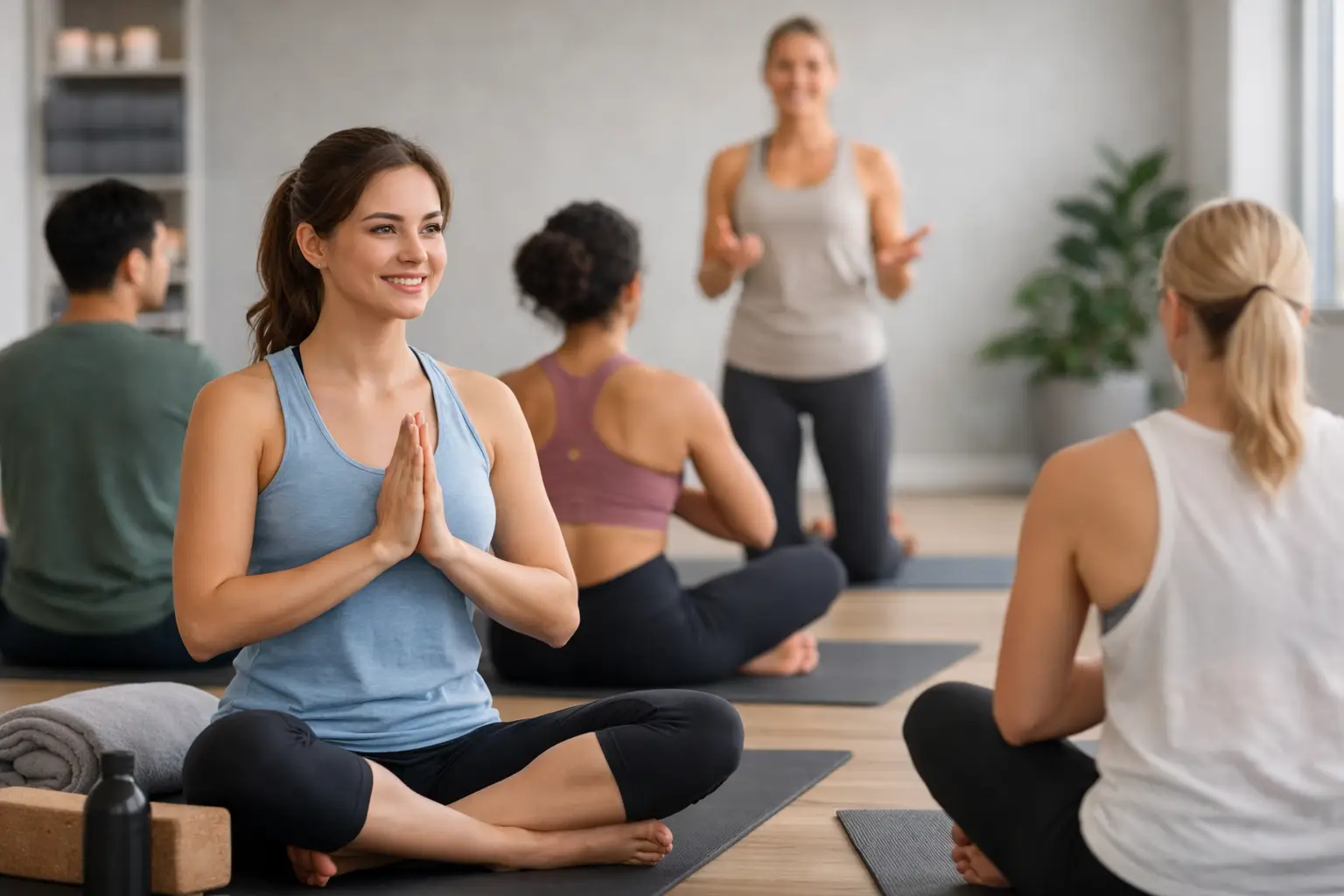
Walking into your first yoga class can feel like showing up to a party where everyone already knows the choreography. The good news: beginner yoga class etiquette is much less about knowing every pose and much more about being ready to move, sweat, and give yourself some room to learn. No one expects a first-timer to be perfectly flexible, balanced, or zen.
At a high-energy studio, yoga can include heat, music, strength work, and plenty of laughs. That means the usual fear of “doing yoga wrong” has to go. Bring a good attitude, listen to your instructor, and remember that every strong Warrior started with a first class.
Beginner Yoga Class Etiquette Starts Before You Arrive
Your best first-class move is arriving early. Plan to be there 10 to 15 minutes before class, especially if you need to check in, fill out a waiver, find the room, or talk with the instructor. Walking in right as class starts can make you feel rushed, and it interrupts the flow for everyone already settled in.
Use that extra time to let the instructor know you are new. This is not an announcement to the whole room. A quick, simple “This is my first yoga class” gives them useful context. They can point out where to set up, explain the class format, and offer modifications if a pose or sequence feels like too much.
If you are taking a heated class, arrive hydrated. Start drinking water earlier in the day rather than chugging a full bottle in the parking lot. Eat a light meal or snack a couple of hours beforehand if you need fuel, but avoid a heavy meal right before movement. Heat plus a full stomach is rarely a fun combination.
What to Bring and What to Wear
Wear clothes you can move and sweat in. Fitted athletic clothing usually works better than loose shirts that slide over your head in downward dog. You do not need expensive yoga gear, matching sets, or special socks to belong in the room. A comfortable top, shorts or leggings, and a mindset ready to work are enough.
For a heated class, bring water and a towel. You may want a larger towel for your mat if you know you sweat a lot. If the studio provides rentals or has specific rules about mats and towels, ask before class instead of guessing. A little preparation means you can focus on your workout rather than trying to manage slippery hands halfway through a flow.
Leave strong fragrances light or skip them altogether. Scent can become overwhelming in a warm room where everyone is breathing hard. The same goes for bringing in large bags, noisy packaging, or anything that can clutter a tight practice space. Keep your setup clean, simple, and respectful of your neighbors.
Choose Your Spot Without Overthinking It
The front row is not reserved for experts, and the back row is not a hiding place for beginners. Pick a spot where you can see the instructor and feel comfortable. If you are new, being near the center or slightly behind someone with experience can help you follow along. Just avoid placing your mat so close to another person that there is no room to move.
Once you set your mat down, that is your space. Try not to spread water bottles, towels, shoes, and phones into the walkway. Studios work best when people can enter, exit, and move safely without stepping over a pile of belongings.
Phones should be silenced and put away before class begins. If you are expecting an urgent call, let the instructor know and choose a spot near the door so you can step out quietly if needed. A class is a chance to be present, and a notification soundtrack does not help anyone find their balance.
Follow the Room, Not Your Inner Critic
Yoga etiquette is not about copying every pose exactly. It is about practicing with awareness. Listen when the instructor gives a cue, but take a modification when your body needs one. Child’s pose, a water break, and a slower version of a movement are all valid choices.
This matters even more in heated yoga and fitness formats. Heat can make muscles feel more open, but it can also make you push farther than you should. Stretching intensely because the person next to you is doing a deeper pose is not a win. A little challenge is productive. Sharp pain, dizziness, nausea, or feeling faint is your sign to pause, cool down, and tell the instructor if you need support.
You also do not have to keep pace with every transition. It is okay to watch one round before trying it. It is okay to take your time switching sides. The class may have upbeat music and serious energy, but your practice should still be yours.
Beginner Yoga Class Etiquette in a Heated Room
A heated class has its own unspoken rhythm. People may be quiet before class as they settle into the temperature, stretch, or mentally prepare. You do not need to whisper like you are in a library, but keep conversations friendly and brief, especially once the instructor begins.
Try to stay in the room for the full class when possible. Opening the door repeatedly lets heat out and can distract others. That said, safety beats etiquette every time. If you feel unwell, step out calmly, get water, and take the time you need. There is no prize for powering through a bad physical response.
Be mindful when leaving after class, too. Let your body cool down gradually, wipe up your space, and take all your belongings with you. If you rented equipment, return it as directed. A clean room is part of taking care of the community that sweats together.
Respect Hands-On Help and Personal Boundaries
Some instructors offer hands-on adjustments to help students understand alignment. Others teach entirely through verbal cues and demonstrations. Either approach can be effective.
If hands-on assists make you uncomfortable, say so before class. You do not need to explain why. A simple request for verbal guidance is enough. On the other side, do not adjust another student’s body, even if you think you are helping. Everyone has different mobility, injuries, and comfort levels, and the instructor is there to coach safely.
The same principle applies to photos and videos. Do not record other people in class without clear permission. A workout space should feel like a place where people can try, wobble, sweat, and improve without worrying about ending up on someone’s social feed.
Let Go of the Comparison Game
The person holding a perfect-looking balance pose may have practiced for years. The person taking breaks may be recovering from an injury, managing a demanding week, or having the smartest workout of the room. You cannot know someone else’s story by looking at their mat.
Focus on your breath, your effort, and your form. If you fall out of a pose, reset. If you miss a cue, jump back in when you can. If you need to rest, rest without apologizing. Yoga is challenging because it asks you to pay attention, not because it requires you to perform for the room.
At Warrior 1 Yoga, that can mean bringing your energy to the music, trying the stronger option when it feels right, and laughing when a balance pose has other plans. Progress comes from showing up consistently, not from crushing your first class.
After Class, Keep the Good Energy Going
Thank your instructor if their coaching helped you. Ask a question after class if you were unsure about a movement, class type, or what to try next. Instructors would rather help you choose a smart next step than have you guess and end up in a format that does not match your current comfort level.
Different classes serve different goals. A beginner yoga class may be the right place to build confidence and learn foundational shapes. A restorative class can be ideal when stress is high and your body needs recovery. A more intense yoga sculpt, HIIT, or kickboxing format may be exciting later, but there is no rush to prove anything. The best class is the one that challenges you appropriately and makes you want to come back.
Your first class does not need to look impressive. It just needs to be the class where you decide you are allowed to take up space, work hard at your own pace, and come back stronger next time.